>
>
"When I Dig Deep, They Say Dig Deeper": Decoding the Psychological Architecture of Drake’s New Trilogy
"When I Dig Deep, They Say Dig Deeper": Decoding the Psychological Architecture of Drake’s New Trilogy

Django Degree
The ColdFM Manifesto: Restoring Balance to the Culture
The current landscape of music criticism is broken. It has devolved into a reactionary echo chamber driven by algorithmic speed rather than narrative depth. Over the past year, as I watched the cultural commentary surround the releases from Chris Brown, Brent Faiyaz, J. Cole, and now the monumental arrival of Drake’s triple-album ecosystem, a sobering reality set in: the world has lost its analytical equilibrium. Modern critique either hyper-fixates on immediate club utility or gets bogged down in personal biases, completely missing the structural architecture of the art itself.
I realized I had to bring the world back to balance. I needed to build a space that creates what the rest of the media ecosystem refuses to provide: unhurried, narrative-first, ruthlessly deep excavation of modern masterpieces. That is precisely why ColdFM was born, and it is exactly what an exhaustive analysis of this scale is designed to achieve.
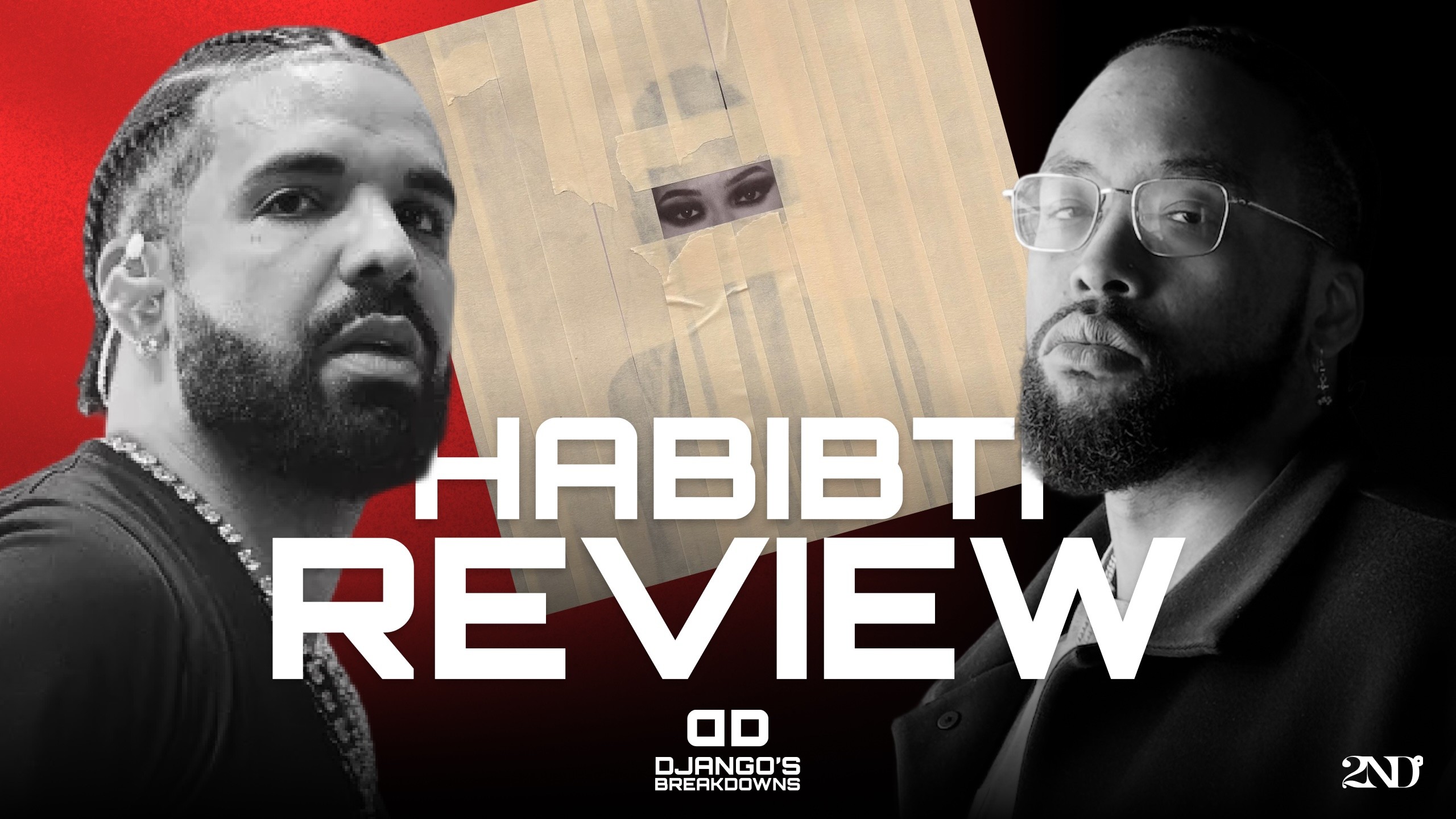
Before we look into the sonics and systems of this trilogy, you need to understand the foundational intent behind this multi-part review series. My open video breakdown captures the core thesis of ColdFM and outlines why this specific moment in hip-hop requires a complete paradigm shift in how we listen:
https://www.instagram.com/p/DYeBAF-O7Cm/
The modern listener is suffering from a form of sonic blindness. Because Drake possesses an unparalleled ability to engineer immaculate, sonically pleasing music, the surface gloss acts as a distraction. We treat his records like wallpaper for our lives rather than texts to be studied. Judging a book by its cover, or an album solely by its hook, is exactly how you miss the writing etched into the pages.
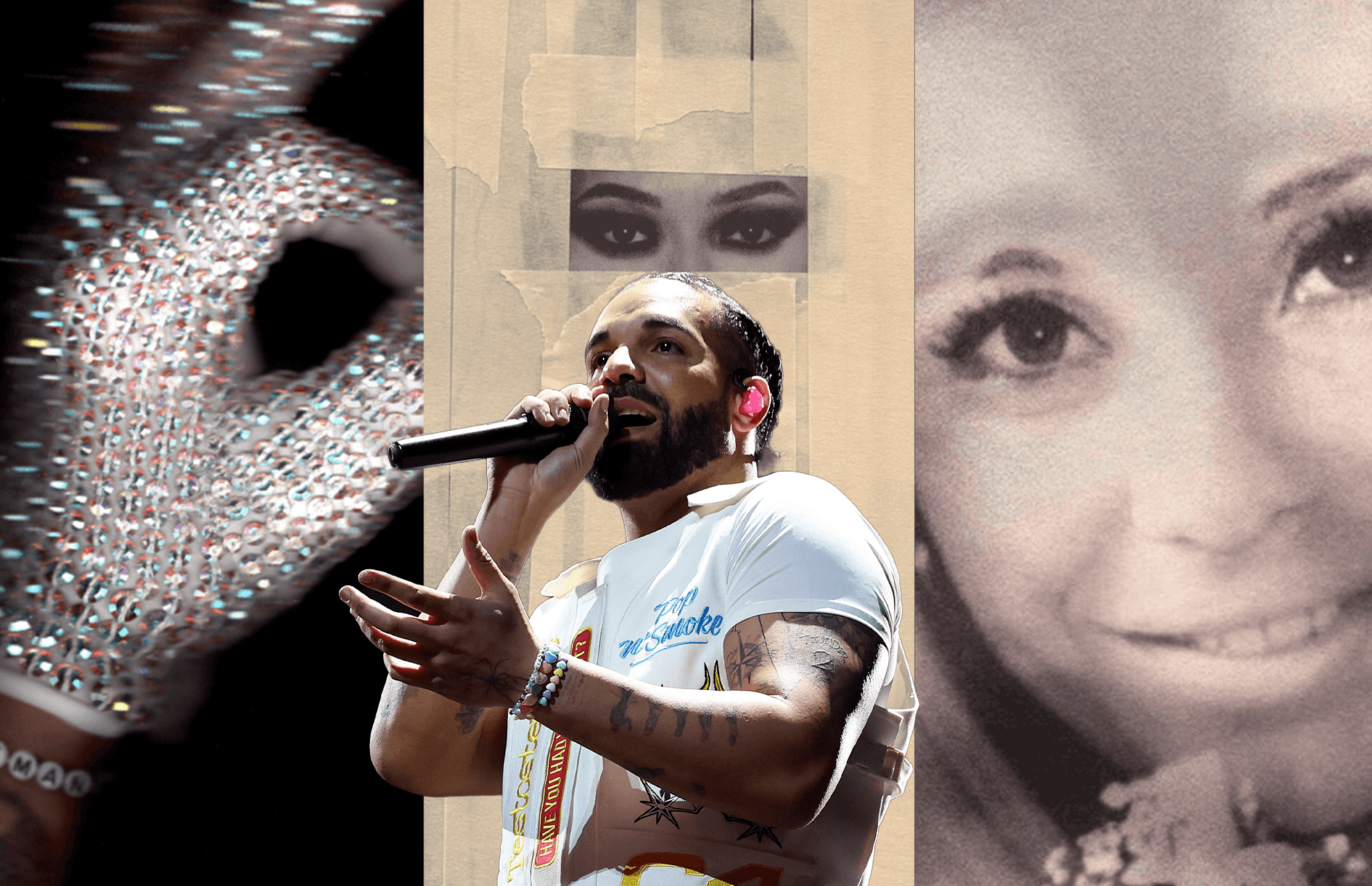
There has been endless industry chatter claiming this massive three-album output was merely a rapid-fire strategic move to exhaust his major-label contractual obligations and secure total independence. While the business mechanics may be true, treating this trilogy as a mere "contract clearance" ignores the profound artistic intent running through it. This is not an exit interview; it is his magnum opus. By weaving together Iceman, Habibti, and Maid of Honor, he has constructed a self-referential, hyper-real tragic loop that dissects fame, betrayal, and the inescapable cycle of toxic attachment.
The Master Key: "When I Dig Deep, They Say Dig Deeper"
The entire intellectual framework of this trilogy hinges on a singular, agonizing line found in the opening movement of Iceman, "Make Them Cry":
"When I dig deep, they say dig deeper."
During his cinematic "Video 4" live-stream event, Drake stood before the camera and delivered a stark revelation: Iceman was built to serve as the structural anchor that brings the other two albums (Habibti and Maid of Honor) into sharp focus. If Habibti is the idealized ascent and Maid of Honor is the chaotic, experimental coping mechanism, then Iceman is the sterile clinic where the autopsy of his psyche actually takes place.
Iceman operates entirely as a high-stakes therapy session. It is a psychological unraveling broken into four distinct thematic movements. For years, the public has demanded unconditional vulnerability from an artist whose entire brand is built on being transparent and vulnerable. At the conclusion of "Make Them Cry," he finally offers an invitation to the listener and his therapist alike:
"And this time, ask me to dig deeper, I'll gladly explain it."
What follows across these three records is a masterclass in psychological mapping. If we treat this trilogy as a literal transcription of a psychoanalytic journey, we see a clear progression: the clinical decompression of immediate trauma (Iceman), the regression into the memories of the idealized romance that ruined him (Habibti), and the manic, substance-fueled defense mechanisms deployed to avoid facing the void (Maid of Honor).
Act I: Iceman — The Four-Stage Clinical Autopsy
[The Make Them Cry Psychological Framework]
├── Movement I: Spatial & Generational Trauma ("Make Them Cry" Intro)
├── Movement II: The Isolation of the Icon (Isolation from 40 & OVO)
├── Movement III: Paranoid Hyper-Vigilance (The 2024 Cultural Fallout)
└── Movement IV: The Discovery of Betrayal (The Luxury Penthouse Rupture)
Movement I: Spatial and Generational Trauma
The sonic landscape of Iceman is cold, spacious, and utterly unadorned. Gone are the triumphant brass sections or the warm, soul-sampled safety nets of his mid-career work. Instead, "Make Them Cry" opens with a stark, isolated arrangement. The air in Toronto is described not as a celebratory kingdom, but as a suffocating gray dome: "The skies are grey in Toronto, they not a golden color."
He immediately grounds his emotional paralysis in generational displacement. The opening bars present a dizzying, multi-generational inversion of roles: "I'm an only child, no one could've made another / I have to father my mother and treat my son's grandfather like my older brother."
This is not simple boasting about being a provider; it is an explicit admission of structural exhaustion. He is a man who has had to emotionally anchor his parents while navigating his own parenthood without a traditional blueprint. The reference to BTS—"Feeling like BTS 'cause it took the whole career for me to be Seoul discovered"—is a brilliant, dual-layered linguistic pun on soul/Seoul. It underscores the hyper-reality of his existence: global adoration achieved at the exact cost of internal erosion. He looks at his aging parents and realizes they see an "overcomer," while he looks back and simply sees time evaporating.
Movement II: The Breakdown of the Inner Circle
As the therapeutic session moves into its second quadrant, the paranoia turns inward, targeting his closest creative alliances. The most alarming admission in "Make Them Cry" is the perceived distance between himself and his long-time sonic architect, Noah "40" Shebib: "Feel like 40 won't even listen to my words when he knows I'm in a load of trouble / I'm in the cut just loadin' rebuttals / And I got a bunch of hits on my hand, see the swollen knuckles?"
The "swollen knuckles" image is a powerful metaphor. The "hits" are no longer just chart-topping achievements; they are physical trauma sustained from a lifetime of cultural combat. When he turns to his brother-in-arms for validation, the response he receives is a cold demand for accountability: "Prove to me that you're still as strong when it's only us two / They know you thorough with bread, but there's some shit you gotta pony up to."
This is the ultimate crisis of the hyper-successful individual: when wealth ceases to be a shield, you are forced to look at your personal shortcomings. The demand to "dig deep" becomes an existential threat because it forces him to unpack things he has spent fifteen years burying under luxury assets.
Movement III: The Ghost of 2024 and Paranoid Hyper-Vigilance
The trauma of the 2024 rap wars hangs over Iceman like radioactive fallout. Drake directly addresses the permanent shift in his psychological landscape: "What died back in 2024 was a big piece / So it's like, this shit is me, but it isn't me / Y'all keep on asking me what it did to me, that's what it did to me."
The cultural battlefield stripped away his illusion of invincibility. He describes a state of permanent hyper-vigilance where the boundary between reality and conspiracy has completely dissolved: "Been so paranoid that nothing in this world seems coincidental."
This paranoia is grounded in real-world betrayals within his camp. He recounts the devastating discovery of a close associate pawning their shared legacy for quick cash: "Our brother sold his chain the other day and said that someone snatched it... He don't have the heart to come and tell us he pawned it for cash... To me, he sold the only thing that has ever mattered."
The chain is not just jewelry; it is a symbol of a sacred pact. Seeing it treated as a liquid asset by an old friend shatters his remaining capacity for trust, leaving him isolated in a world where even family structures are moving backward.
Movement IV: The Ultimate Rupture
The final movement of "Make Them Cry" transitions from general paranoia to the specific romantic betrayal that serves as the catalyst for the entire trilogy. He lays bare the transactional nature of his relationships, using wealth as an instrument of control: "I put the 'man' in 'manipulation' when I pay your rent and that is an obligation to our attachment."
Yet, this financial dominance fails to secure loyalty. The emotional climax of the song details a crushing discovery: "You fuckin' dude at the spot that I got for you, Jesus / You gave him reason to speak on my name, that's some weak shit / They textin' proof to my phone and my heart is in pieces."
The visual imagery here is devastating. The luxury architecture he provided—the rent-free penthouse, the Van Cleef floral bangles—becomes the literal site of his humiliation. While he turned a blind eye to her transgressions because facing them was "more than painful," the digital reality of "proof" being sent directly to his phone forces a psychic break. This specific woman, and the collapse of this specific dream, is the ghost that haunts the rest of the trilogy. To understand how he arrived at this state of ruin, we have to look at the second piece of the triad: Habibti.
Act II: Habibti — The Illusory Genesis of Love
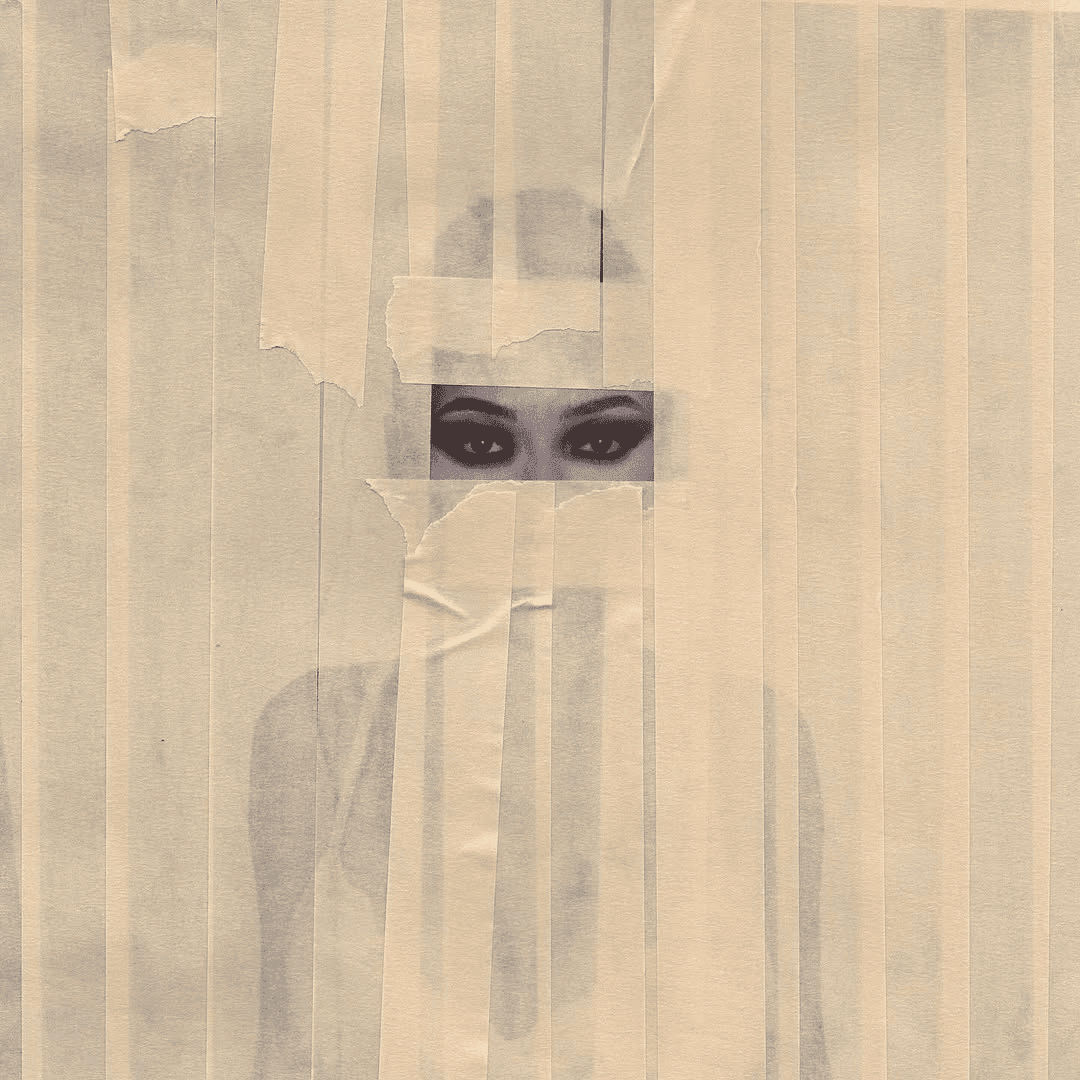
If Iceman is the autopsy report, Habibti is the film reel of the life lived before the fatal accident. It is an essential listening experience because it relies entirely on dramatic irony. As listeners, we enter the world of Habibti already armed with the knowledge of its catastrophic ending from Iceman.
Sonically, Habibti is lush, warm, and heavily influenced by late-night R&B, ambient Middle Eastern instrumentation, and classic neo-soul textures. It tracks a narrative arc that Drake fans have long thought impossible: a cynical, hyper-guarded superstar genuinely letting his walls down and preparing for the sanctuary of marriage.
[The Narrative Arc of Habibti]
Skepticism & Guarded Peace ──> Emotional Surrender ──> The Near-Marriage Mirage ──> The Impending Rupture (Shadow of Iceman)
The album documents the slow, agonizingly beautiful process of falling in love when you have a million reasons not to. He details the quiet moments away from the public eye—trips to international sanctuaries, long conversations about legacy, and the gradual belief that this woman is the anomaly who sees the human being beneath the global icon.
The songwriting on Habibti is filled with vows of devotion and reflections on how this relationship is rewriting his cynical worldview. He speaks of her as an anchor, a redemptive force capable of neutralizing the toxicity of the music industry. He openly ponders the concept of a permanent union, stepping away from transient hookups toward genuine partnership.
This creates a brilliant structural tension. Every beautiful melody, every declaration of love, and every soft chord progression on Habibti is underscored by an underlying sense of tragedy. We are watching a man build a home that we already know is going to burn to the ground. The album ends on an intentional narrative cliffhanger—the absolute peak of emotional vulnerability—right before the betrayal detailed in Make Them Cry shatters the timeline, sending him spiraling into the manic defense mechanisms of the third album: Maid of Honor.
Act III: Maid of Honor — The Sonic Trojan Horse & The Infinite Loop

Maid of Honor is the most sonically radical and conceptually complex record in the entire trilogy. It functions as a classic psychological defense mechanism: the manic deflection. Unable to process the profound grief of the Habibti betrayal, and exhausted by the clinical introspection of Iceman, Drake retreats into what he does best—pure, unadulterated sonic pleasure, club records, and experimental dance textures.
But the brilliance of Maid of Honor lies in its duplicity. It is a Trojan Horse. On the surface, the album is packed with infectious rhythms, upbeat house music, and vibrant dancehall syncopations designed to dominate nightlife culture. Yet, if you look past the production and study the lyric sheets, you realize he is using the upbeat tempo to mask a profound, spiraling crisis. He is dancing through a graveyard.
The Anatomy of Petty Retribution: "New Bestie"
A perfect encapsulation of this duality is the two-part track "New Bestie." The song opens with an upbeat, rhythmic bounce, but the initial questions are sharp and bitter: "Are you grateful? If karma gets to turning tables, I ask you / 'Are you stable?' and 'Didn't I make you?'"
He is weaponizing his past investments, furious that the woman he tried to mold into a wife has easily replaced him. The chorus captures the sudden, disorienting shock of seeing her move on in the social media era: "Wait, wait, wait, new best friend / Wait, wait, wait, since when? / ... I came outside, I saw you had a / New best friend."
When the song transitions into Part II, the sonics morph into a high-energy dancehall movement. The vocal delivery becomes aggressive, utilizing patois patterns to deliver biting, passive-aggressive critiques. He addresses her attempt to secure a visa to the states, mocking her reliance on others while flexing his own cultural currency by shouting out dancehall icons like Vybz Kartel ("Addi, yah mi daddy, yah di teacher").
The toxicity peaks in the final bars of the verse. Rather than mourning the loss of the relationship, he resolves to weaponize his wealth to buy out her social circle and make her orbit unlivable: "If I see one of your true friends / I might gas and hype them / I might buy them a section / I might make a connection / Since you waan fuck pon next one / Since you have a brand-new best friend."
This is the ultimate presentation of the ego attempting to shield a broken heart. He cannot force her to love him, so he resolves to buy the attention of anyone close to her, transforming genuine grief into a series of expensive club promotions.
The Relapse into the Cycle: "Princess"
The entire trilogy reaches its conceptual and narrative resolution in the final track of Maid of Honor, titled "Princess." Sonically, the song features a hazy, filtered, late-night production style that mimics the cloudiness of substance use. It brings the entire journey to a devastating, cyclical conclusion.
The song begins with an immediate admission of regret and mismatched expectations: "First time I saw ya / You wouldn't give me time of day / Now that I know ya / I probably should've walked away."
Instead of finding a healthy path forward after the trauma of the Habibti breakup, he encounters a new woman in the most unromantic of settings—an exhausted, drug-fueled club environment: "I found my princess layin' in the bathroom, layin' in the bathroom / She got too lit / Found my princess layin' in the bathroom, layin' in the bathroom / She's off the shit, yeah."
The stark juxtaposition of the word "princess" with the reality of a woman incapacitated on a bathroom floor highlights how deeply his standards of romance have deteriorated. He is no longer looking for the idealized, pristine love of Habibti; he is actively seeking out a broken situation that mirrors his own internal ruin.
The songwriting paints a picture of a hyper-shallow relationship funded entirely by his wealth: "And you work all week at the Equinox just to complain when I go... Shop until you drop in Bal Harbour / Faster and harder the farther and farther you go."
The tragic climax occurs in the final verse, where he describes her coping mechanisms and realizes he has fallen directly back into the exact same trap that started the entire saga: "You wash down like ten milligrams, twenty milligrams / They playin' all your jams and a shot is in your hand / Twenty milligrams, livin' with your friends / Dirty pots and pans, I done fell in love again."
The repetition of "I'll never ask you nothin'" at the end of the song is chilling. In Iceman, he pleaded with the world to ask him to dig deeper, promising he would gladly explain his pain. By the end of Maid of Honor, he has completely abandoned the therapeutic pursuit of truth. He enters into a tacit agreement with his new partner: I won’t look into your darkness if you don’t look into mine. The album closes on this numbed note, completing a full-circle loop that leaves him exactly where he started, trapped in a beautiful, gilded cage of his own making.
The Ultimate Verdict: The Illusion of Surface Elegance
When you step back and evaluate Iceman, Habibti, and Maid of Honor as a unified piece of architecture, you realize Drake has pulled off the greatest trick of his career. He has delivered his most devastatingly honest, emotionally bankrupt, and structurally complex narrative, all while wrapping it in melodies that will be played in sun-drenched day clubs and late-night venues across the globe.
Those who dismiss this trilogy as simple pop music or a hasty label exit are choosing to live on the surface. They are judging the book by its cover, utterly blind to the tragedy written clearly across the pages. He gave us the map to his own undoing, hidden in plain sight beneath pristine basslines and infectious rhythms. This isn't just an album rollout. It's an artist documenting his own beautiful, inescapable cycle, and asking us, one last time, if we are finally ready to dig deeper.
More Life… More Time To Get It Right
Django
Featured Posts