>
>
The Blueprint of Disbelief: Why the Internet Always Hates the New Guard, From Ye to Jaden and Kai
The Blueprint of Disbelief: Why the Internet Always Hates the New Guard, From Ye to Jaden and Kai
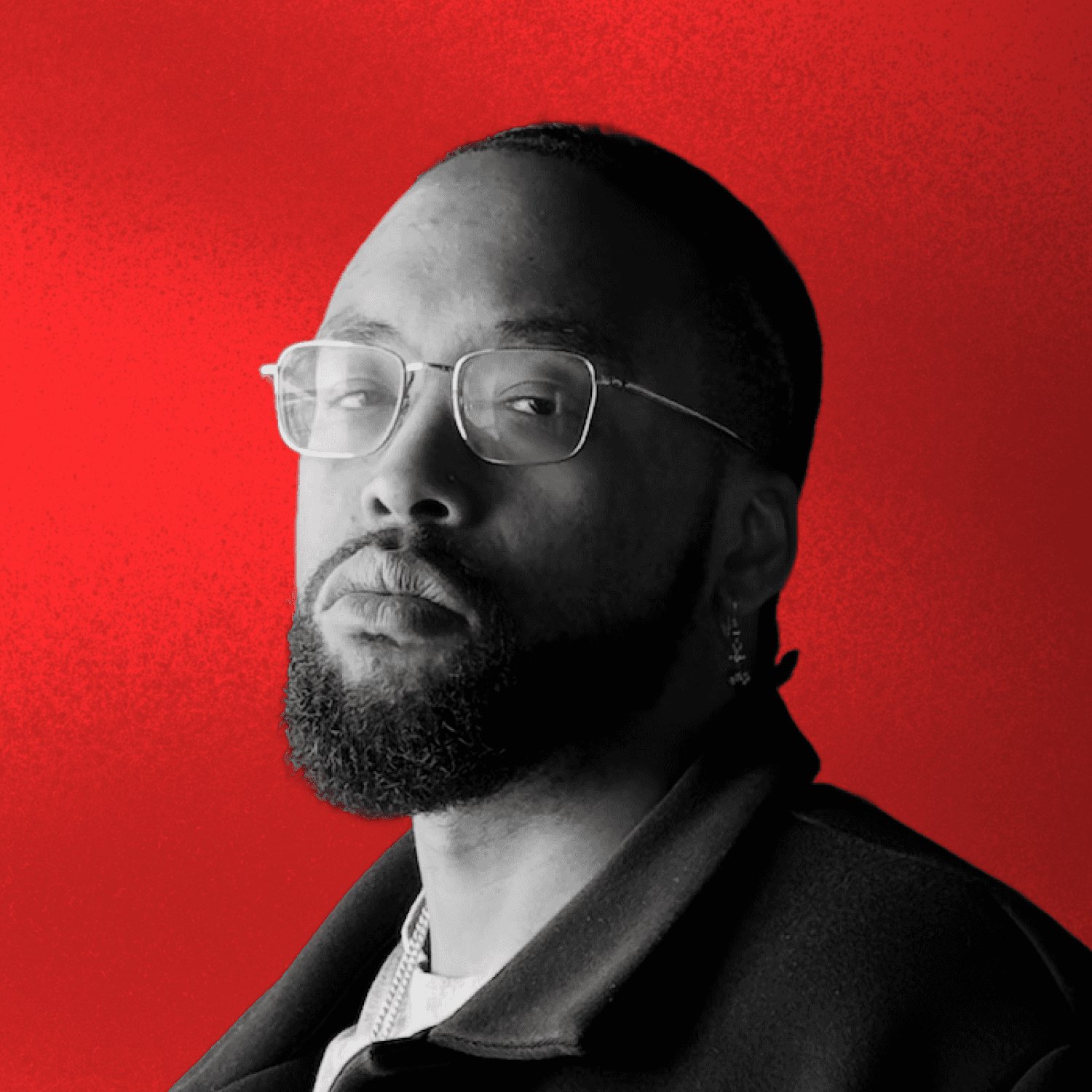
Django Degree

There is an exhausting, predictable cycle that plays out every single time a creator refuses to stay in the neat little box society built for them.
When Kai launched his first season, the internet didn't take a breath to analyze the craftsmanship, the silhouette, or the ambition behind the move. Instead, the commentary machine went into an immediate, coordinated rage. “Why is it so expensive?” “He’s just a streamer.” “Who does he think he is charging high-fashion prices for this?”
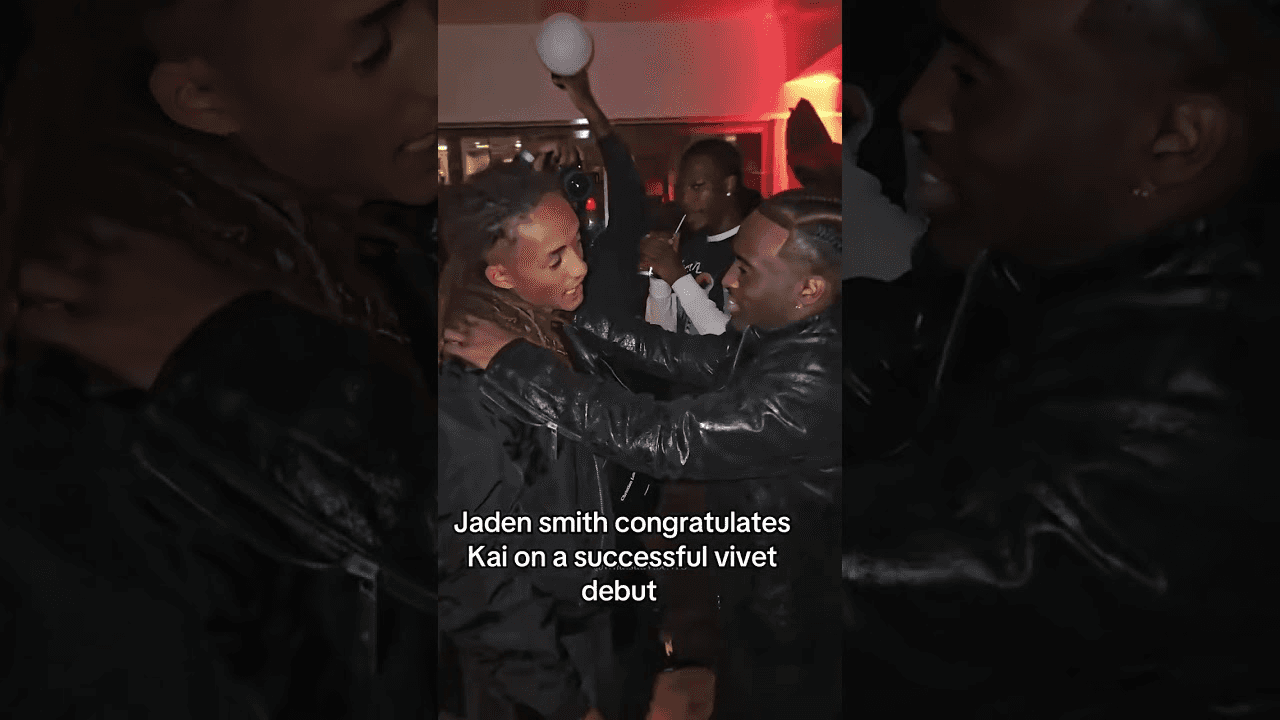
If that script sounds familiar, it’s because you’ve read it before. You saw it when Jaden Smith was named Creative Director at Christian Louboutin, and the commentary class lost its collective mind, screaming about "nepotism" and "ruining luxury." And if you have any cultural memory longer than a TikTok scroll, you know this exact same mob stood on the exact same digital soapboxes a decade ago to tell Kanye West that he was "just a rapper" who had no business walking into Paris Fashion Week.
The internet suffers from an acute, terminal case of recency bias. People jump online with unearned confidence to speak authoritatively on subjects they know nothing about, attempting to dictate what art is worth, who is allowed to make it, and how much it should cost. But when you strip away the noise, the immediate, visceral hate for Kai’s first season or Jaden’s entry into traditional luxury isn't about clothes at all. It’s about the public’s deep-seated discomfort with watching someone break out of their assigned role, and the psychological coping mechanisms haters use to protect their own complacency.
The Kanye West Blueprint: How The World Tried to Kill Yeezy
To understand what’s happening to Kai and Jaden today, you have to rewind to 2011 and 2015.
When Ye debuted his first high-fashion line, DW Kanye West, in Paris in 2011, the fashion establishment treated him like an intruder who had snuck in through the back door. Critics sneered that he was simply a celebrity buying his way onto a sacred calendar. They dismissed the heavy leather and zips as "trying too hard" and scoffed at the audacity of a musician attempting to sit at the table with traditional French ateliers.
Four years later, when he launched Yeezy Season 1 with Adidas in 2015, the internet broke out into absolute hysteria over the pricing and aesthetics. Fashion forums, Twitter, and media outlets piled on:
$2,600 for a distressed sweater?
$600 for sweatpants?
"It looks like homeless chic."
"It looks like Post-Apocalyptic rags."
Cathy Horyn, writing for The New York Times, notoriously dismissed Ye’s Season 2 by calling it "a second round of drab, broken-down basics" and proclaimed that the people in fashion taking him seriously were simply "fools." The Proof
The crowd declared Ye’s fashion ambitions dead on arrival. They mocked the price points, ignored the supply chain realities of producing independent, limited-run garments, and insisted he stick to making beats. The internet consensus was clear: This is overpriced trash made by a delusional guy who thinks he’s a designer.
Fast forward. Ye didn't just survive that backlash, he fundamentally restructured the global design language of luxury streetwear, footwear, and modern minimalism. The very critics who called Season 1 "rags" spent the next seven years watching every major heritage fashion house, from Balenciaga to Louis Vuitton, copy the oversized, muted, distressed aesthetic Ye championed. The people screaming about the prices were completely blind to the fact that they were witnessing a cultural shift in real-time.
Today, people look at Yeezy as a historic, multi-billion-dollar milestone. But in 2015? The commentary section looked identical to the comments under Kai’s and Jaden's drops today.
The "Stick to Your Lane" Trap: Kai and Jaden Smith
When Jaden Smith took the helm at Louboutin, or when Kai dropped his Season 1 collection, the criticisms followed Ye's blueprint word-for-word:
"It’s overpriced."
"They didn't earn this through traditional channels."
"They're just leveraging their fame/money."
When people see Kai, someone they watched build an empire on a livestreaming camera, charge premium prices for a physical fashion line, their brains short-circuit. They don't evaluate the GSM weight of the cotton, the custom tooling of the hardware, the cut-and-sew manufacturing costs, or the distribution logistics. They simply look at a creator they feel they "own" because they watch them on a screen, and they get offended that the product isn't priced like fast-fashion merch.
It’s the same story with Jaden Smith. When Louboutin appointed Jaden, the internet’s immediate instinct was to write it off as a hollow clout play, screaming "nepo baby" without acknowledging Jaden’s decade-plus history of boundary-pushing streetwear design with MSFTSrep. The masses insist on viewing creators through a static, fixed lens. If you started as a streamer, you must stay a streamer. If you started as a rapper, you must stay a rapper. If you were born into fame, nothing you create can ever hold intrinsic artistic value.
What these critics refuse to admit is that luxury and high fashion have always been about narrative, vision, and cultural energy. The traditional fashion houses didn't hire Jaden, or watch creators like Kai, because they needed help threading a needle; they brought them in because these individuals dictate how the culture moves, breathes, and dresses.
The Wealth and Fame Myth: Why Money Can’t Buy Cultural Resonance
Whenever a high-profile creator succeeds in a new domain, haters retreat to their favorite security blanket: "They're only successful because they're rich and famous." This is the ultimate cope. It is the narrative people feed themselves at night so they don't have to face their own lack of initiative.
If money and fame were all it took to build a successful, culturally relevant fashion house, every billionaire and A-list celebrity on earth would have a thriving fashion brand. But history is a graveyard of ultra-wealthy vanity projects that failed miserably:
Lindsay Lohan x Ungaro (2009): Backed by a historic French fashion house and global celebrity, the line was utterly savaged by critics and died almost instantly.
Kardashian Kollection: Despite having the most famous family on the planet promoting it, their early mass-retail fashion lines were quietly phased out after being widely panned for cheap quality and lack of vision.
Fenty Fashion House (LVMH): Even with the backing of the largest luxury conglomerate in the world (LVMH) and the global star power of Rihanna, the high-fashion Fenty apparel line paused operations because luxury consumers simply didn't buy into the specific high-end RTW proposition at that price point, despite loving her cosmetics and lingerie lines.
Fame can buy you an initial meeting. Money can buy you an initial production run. But neither fame nor money can buy cultural gravity. They cannot buy a line of thousands of kids standing in the rain waiting for a drop. They cannot buy organic obsession, street-level adoption, or real design momentum.
Attributing Kai's line-out-the-door success or cultural pull exclusively to "being famous" is just how people who have never built anything justify why someone else is winning.
Internet Expert Syndrome, Recency Bias, and the "Daejon Love" Effect
Why is the internet so aggressively confident about things it doesn't understand? Why does every commenter with a smartphone suddenly talk like they have a master’s degree in textile engineering and brand economics?

Look at real-life psychological dynamics. Consider someone like Daejon Love, a figure who walked into spaces with such overwhelming, unearned confidence, weaving bold lies and projecting absolute certainty, that he made the people around him feel like there must be something they didn't know. When someone acts with absolute conviction, it creates a psychological pressure in the room. Weak minds assume, "He’s speaking so confidently, he must know something I don't." They bow to the posture.
The internet operates on this exact same phenomenon, except it’s amplified by anonymity and hyper-speed algorithms. An anonymous user posts a tweet or a TikTok declaring with supreme, unshakeable confidence: "Kai's hoodie is a scam, it only costs $5 to make in China, this is cheap merch."
They offer zero proof, zero tech packs, and zero knowledge of custom garment dye, heavy GSM knitting, or import tariffs. But because they said it with zero hesitation, the internet mob falls in line. People don't want to do the work of researching or thinking critically; they just want to align themselves with whatever sounds the most cynical, because cynicism online is frequently mistaken for intelligence.
This recency bias makes people forget that every single iconic thing you love today was hated when it first arrived.
The original iPhone was mocked by tech executives for having no physical keyboard and being absurdly overpriced.
The original Jordan 1 was banned by the NBA and called ugly.
Early Yeezy was called "homeless clothes" by people who now wear Yeezy slides to buy groceries.
The internet commenter lives entirely in the present tense. They possess no historical context, no understanding of how taste evolves, and no awareness that their current "hot take" will be laughed at five years from now.
The Philosophical Root of the Hater: Nietzsche’s Ressentiment
To truly understand why people vent such deep, visceral anger toward creators like Kai, Jaden, or Ye, you have to look beyond fashion and turn to philosophy.
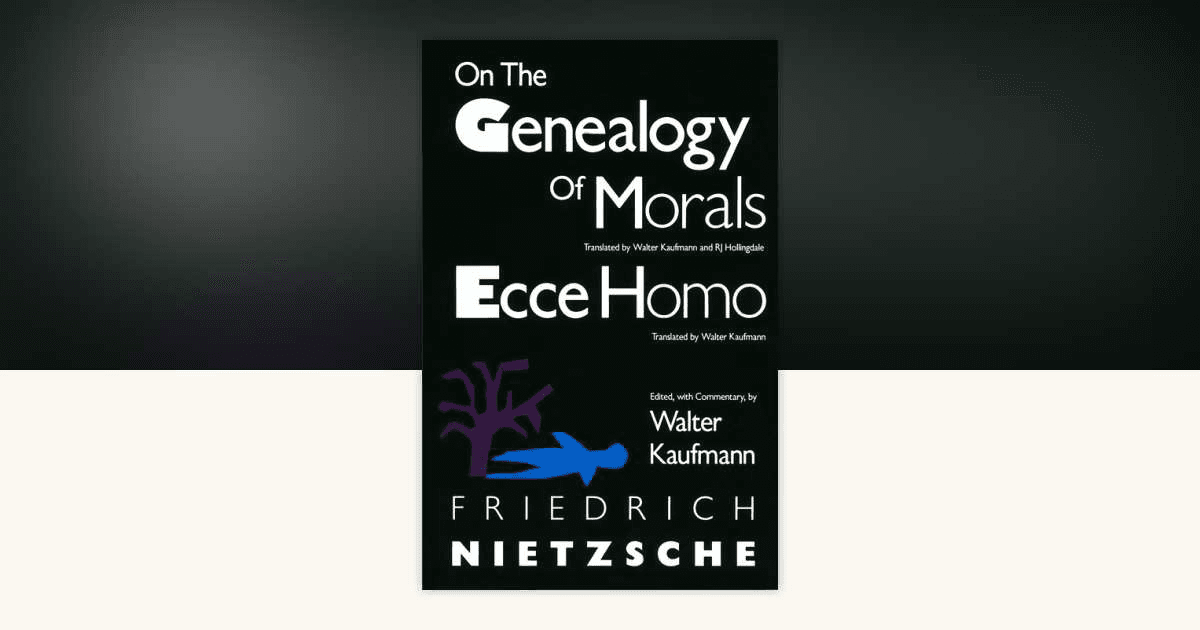
In On the Genealogy of Morals, the 19th-century German philosopher Friedrich Nietzsche introduced a concept that perfectly diagnoses the modern comment section: Ressentiment (a French term for a specific form of resentment and envy).
Nietzsche explained that there are two primary mindsets in human culture:
The Creator (Master Morality): Individuals who act, build, create, take risks, and define their own values. They don't look around to see what others are doing; they project their energy outward into the world to shape reality.
The Observer (Slave Morality): Individuals who are fundamentally passive, weak-willed, or incapable of creation themselves. Because they cannot create, their entire identity is reactive.
Nietzsche argued that when the passive observer sees the creator succeeding, taking space, charging high prices, and defining culture, it causes them acute psychological pain. It serves as a daily, brutal mirror reminding them of their own stagnation.
Because the passive observer lacks the drive or courage to build something of their own, they invent a reactive moral framework to feel superior. They say:
"That creator isn't talented; they're just greedy."
"That price isn't reflective of value; it's a scam."
"That ambition isn't inspiring; it's arrogance."
Through Ressentiment, the hater convinces themselves that staying passive on the couch is "humble" and "honest," while the creator out in the world taking risks is "evil" and "fake." Tearing down the creator becomes the hater's only path to feeling powerful. It is the ultimate psychological cope.
When you read a wall of hate comments under Kai’s drop or Jaden’s appointment, you aren't reading fashion criticism. You are reading pure, unadulterated Ressentiment. You are watching passive people try to punish active people for having the audacity to try.
The Anonymity of the Empty Account
Look closer at the people orchestrating this outrage.
Next time you see someone writing a paragraph about how Kai’s line is "trash," or how Ye "ruined fashion," or how Jaden "doesn't deserve it," click on their profile.
What do you find?
Private Account.
Zero posts.
Zero creations.
An anime avatar or a blank profile picture.
No name, no risk, no skin in the game.
It is an absolute law of human nature: People who are actively building their own dreams do not have the time or emotional bandwidth to tear down someone else’s.
A designer who spends 14 hours a day in a studio sampling fabrics doesn't sit on X calling Kai's clothes trash. A creator who knows the brutal difficulty of taking an idea from a sketch pad to a finished product doesn't spend their evenings typing hate comments.
The hate almost exclusively originates from people who have gambled nothing on themselves. They sit in the dark, completely shielded from judgment behind a private profile, attempting to snuff out the light of people who had the courage to step into the arena.
Believe in Your Flame
If you are a creator, an artist, an entrepreneur, or anyone trying to push past the boundary of what people expect from you, you need to commit this to memory:
The mob that came for Kai’s first season is the same mob that came for Yeezy Season 1. It is the same mob that scoffed at Jaden. It is the same mob that told every visionary in history that they were overcharging, under-delivering, and stepping out of line.
History does not remember the critics. Nobody builds statues of comment section trolls. Decades from now, no one will care what an anonymous account with zero posts thought about a price point or a logo in 2026. The world only remembers the people who had the guts to put their work on the line and say: “I made this. Take it or leave it.”
Do not let people who haven't built anything tell you how to construct your world. Do not adjust your prices, lower your ambition, or shrink your vision to make comfortable the people who are terrified of their own potential.
As you build, keep this singular truth close to your heart:
"Don't let your passion be extinguished by someone who has no passion outside of extinguishing your passion."
You can spot them from a mile away. They are hiding behind private profiles, zero-post accounts, and fake confidence, hoping their cynicism can freeze your momentum.
Let them talk. Let them type. Let them cope.
Keep creating. Keep dropping. Keep building. The culture will catch up eventually—it always does.
Featured Posts