The Death of the Gatekeeper and the Dawn of the Music Renaissance
"We are not living through the death of artistry; we are standing right in the center of its greatest Renaissance."
Django Degree
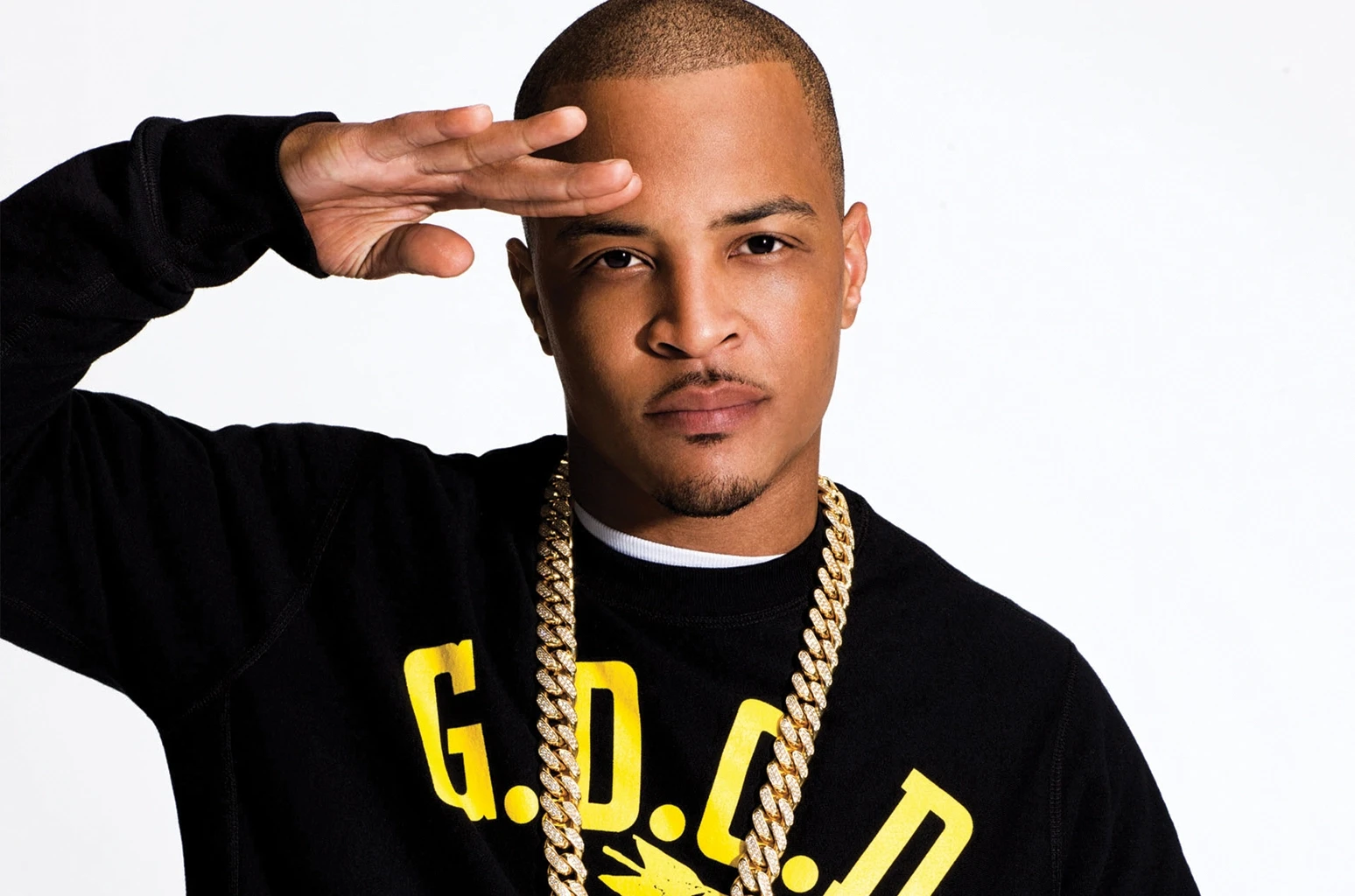
When TIP Harris announced he was stepping away from the stage, it felt like more than just a retirement. It felt like the definitive end of an era. For over two decades, T.I. represented the golden blueprint of the traditional music industry hustle. You flooded the streets with mixtapes, gained the favor of local DJs, caught the ear of an astute A&R, signed to a major label, got your record spun on terrestrial radio, and watched the suits at the top build an empire around your image. It was a rigorous, brutal, but clear pipeline. If you made it through that narrow needle’s eye, you became a titan.
Today, that pipeline is completely shattered. In its place stands a digital ocean where over 150,000 new tracks are uploaded to digital streaming platforms (DSPs) every single day. Read more here.
To the casual observer, and certainly to many exhausted, working musicians, that number feels like a death sentence. It feels like an impossible, claustrophobic lose-lose scenario. How does a voice get heard over a tidal wave of 150,000 daily uploads? How do you compete with an unfeeling, unpredictable algorithm designed to optimize for short attention spans and viral micro-trends?
It is easy to look at this endless scroll of content and long for the nostalgic simplicity of the past. But if you strip away the romanticized gloss of yesterday’s music industry, a different reality emerges. We are not living through the death of artistry; we are standing right in the center of its greatest Renaissance.
The Myth of the "Good Old Days"
To understand why today is a blessing, we have to keep it real about what yesterday actually looked like.
For decades, the music industry operated like a feudal kingdom. Absolute control over media exposure was held by a few corporate gatekeepers, namely label executives, talent managers, A&R scouts, and radio directors. This group monopolized the industry's infrastructure by dictating access to pressing plants, distribution networks, retail space, and radio airwaves.
If you want a visceral reminder of how bleak that era could be, look no further than the movie Dreamgirls. The film’s antagonist, Curtis Taylor Jr., represents the cold, transactional heart of the old machine. To achieve crossover success, authentic soul artists were systematically stripped of their raw edge. Melodies were smoothed out, lead singers were replaced because they didn't fit a specific beauty standard, payola was paid under the table to radio station bosses, and artists were tied to predatory contracts that left them penniless despite millions in record sales.
Back then, if you didn’t have "the look," if you weren't in New York, Los Angeles, or Atlanta, if you didn't know the right cousin of an executive, or if your sound didn't fit neatly into a pre-approved genre bucket, you simply did not exist. Millions of world-class singers, producers, songwriters, and visionaries lived and died in complete obscurity. They weren't ignored because their music was bad; they were ignored because the gatekeepers held complete, unyielding control over the algorithm of public taste.
In those days, we believed we were listening to the "best" music simply because it was the only music being broadcast. The illusion of perfection was sustained by the absolute scarcity of choice.
The Great Democratization: Decentralizing Discovery
Fast forward to the present day. Yes, 150,000 songs a day is an overwhelming statistic. Yes, it means the noise is louder than it has ever been. But it also means that the barrier to entry has been permanently lowered to zero.
The modern algorithm is often criticized as a heartless, cold monster that favors clickbait over craftsmanship. But unlike the old system, the modern algorithm is not a single, smoke-filled room in Manhattan where five executives decide what the entire planet will listen to this summer.
Today’s algorithm is decentralized. It is a mirror.
Every single music consumer on earth now possesses the power to curate their own micro-culture. If you want to listen exclusively to underground 90s-style Boom Bap from Detroit, garage rock from Tokyo, or acoustic folk from the Appalachian mountains, you can tune your social feeds and streaming profiles to deliver exactly that directly to your pocket. The consumer has become the programmer.
More importantly, the modern landscape has proven that you no longer need the mass market to build a thriving, highly lucrative career as an artist. The obsession with mainstream "crossover" success, the requirement that an artist must appeal to everyone from an eight-year-old in Ohio to a seventy-year-old in Miami, is a relic of the major label machine.
The Superfan Blueprint: Beyond the DSPs
Consider the shift taking place among some of the sharpest, most forward-thinking minds in modern music.
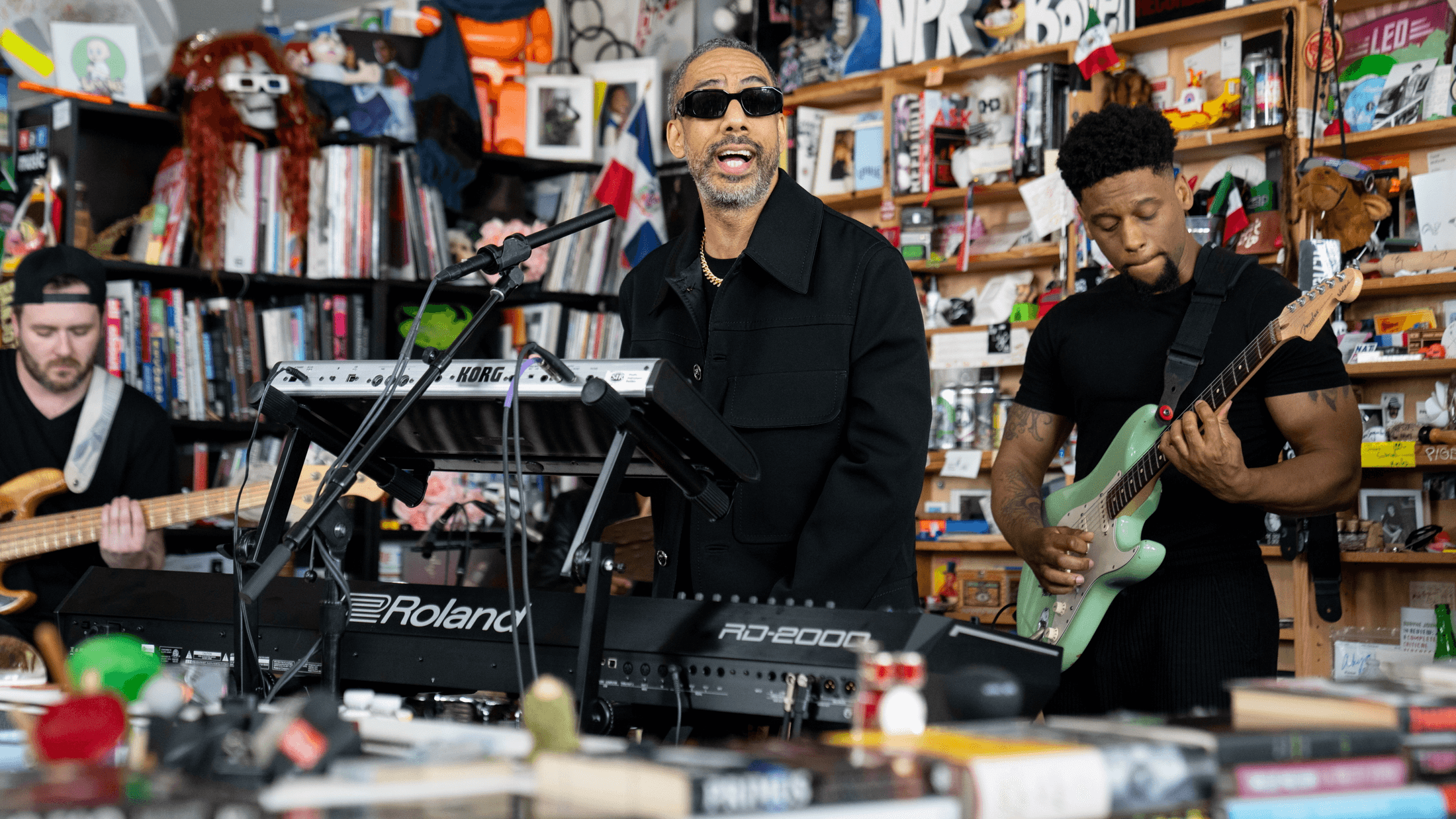
Look at Ryan Leslie. Years ago, Leslie recognized the inherent flaw in relying on middleman platforms. He stepped back from the traditional label system and pioneered a model built entirely on direct-to-consumer relationships. Through custom tech platforms and direct communication tools, Leslie bypassed the DSPs entirely, cultivating an ecosystem where his most dedicated fans paid premium prices directly to him for access to his music, events, and insights. He proved that an artist doesn't need ten million passive-listener streams paying fractions of a penny when they have a thousand dedicated patrons invested in their vision.
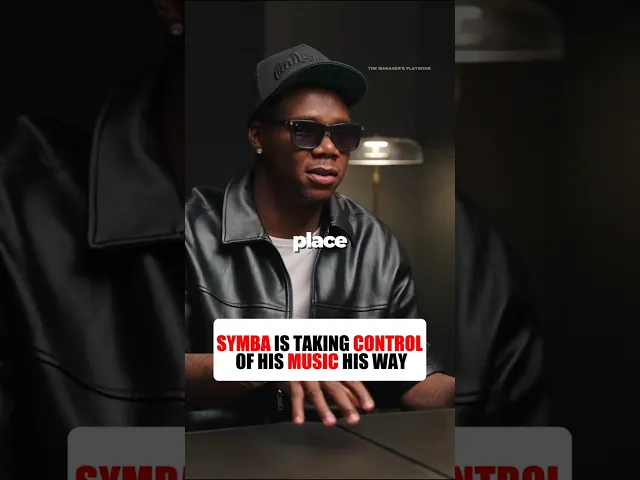
Look at Symba, an artist who has relentlessly championed the power of real-world connection, independence, and owning his narrative.
Or consider MIKE, the underground hip-hop icon who has built a globally recognized, sustainable, and deeply respected career entirely on his own terms. MIKE didn't wait for a major label to give him a budget or radio to give him a slot. By releasing music independently, cultivating a tight-knit community, touring relentlessly, and connecting directly with the people who resonate with his raw, introspective art, he created a self-sustaining ecosystem. He doesn't need algorithmic luck because he has built human loyalty.
These artists are demonstrating the future of creative sustainability. DSPs like Spotify and Apple Music are useful as top-of-funnel discovery tools (digital billboards, essentially), but they are no longer the entire house. Artists are realizing that relying solely on streaming payouts is a fool’s errand. The real economy of the future lies in direct-to-fan engagement: private communities, physical merchandise, bespoke physical experiences, subscription platforms, and direct communication.
When you control your fan data, when you know the names and email addresses of the five thousand people who love your art most, you are untouchable. You cannot be "cancelled" by an algorithm change. You cannot be dropped by a label. You are an independent enterprise.
Gatekeepers Were Always Bad at Their Jobs
When artists mourn the loss of the old industry, they often operate under the assumption that the gatekeepers actually knew what they were doing. History tells us a very different story.
The truth is, the traditional industry machine has historically been terrible at recognizing generational genius early on.
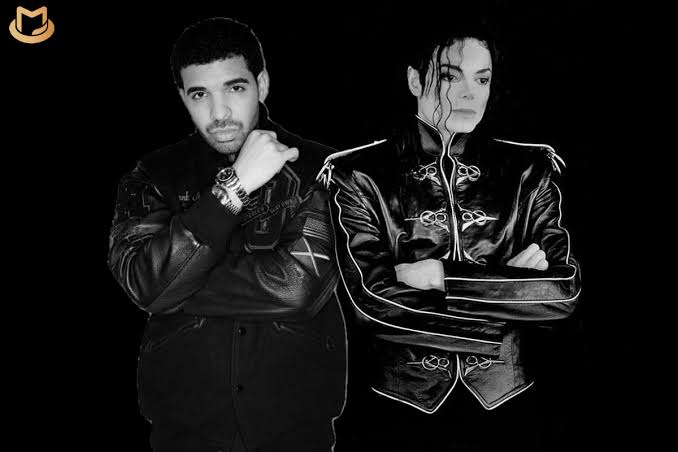
Take Drake, unquestionably one of the most commercially successful artists in the history of recorded music. Before he became a global juggernaut, his early demos were passed around the industry to resounding apathy. He was turned down by Akon’s team; even TIP Harris himself famously passed on signing him early on because the soft-spoken, suburban Canadian actor-turned-rapper didn't fit the hardened, street-oriented archetype that dominated the hip-hop landscape at the time. The gatekeepers looked at Drake and saw a square peg that didn't fit their round hole. It took Lil Wayne’s radical, uncompromising foresight to see past the industry’s blind spots.
Or go back even further to the ultimate titan of pop music: Michael Jackson.
When Michael was transitioning out of the Jackson 5, the industry hierarchy was profoundly skeptical. Berry Gordy and the Motown apparatus had a specific, comfortable box for Michael. He was the child prodigy and the frontman of a family group. When he wanted to step out, assert his autonomy, and forge an adult solo identity, he faced deep resistance. Industry insiders questioned whether he could survive without the established brand of his brothers.
It wasn't until Motown 25 in 1983; when Michael stepped onto that stage alone, debuted the Moonwalk during a solo performance of "Billie Jean," and shattered every existing ceiling in popular culture, that the industry was forced to reckon with his singular genius. The machine didn't create Michael Jackson’s solo dominance; Michael forced the machine to accept it through sheer, undeniable brilliance.
If the greatest artists in human history, the Drakes and the Michael Jacksons, were overlooked, mismanaged, or doubted by the gatekeepers of their time, why would we ever want to return to a system that gave those gatekeepers absolute power?
The Art Will Always Outlast the Algorithm
The anxiety surrounding today's music industry comes from confusing virality with legacy.
Yes, the algorithm can make a novelty song go viral overnight. Yes, it can create temporary superstars out of thin air. But as we have seen time and time again over the last few years, the love generated by an algorithmic spike is notoriously fleeting. The same algorithm that pushes an artist to the top of the feed today will abandon them tomorrow when the next trend arrives. Algorithmic fame is a flash fire: hot, blinding, and gone in seconds.
Real culture, however, is built slowly. It is built through resonance, integrity, and genuine human connection.
The algorithm has never created lasting change for an artist. It can grant attention, but it cannot cultivate devotion. Devotion is built when an artist cares deeply about the craft, speaks an uncompromising truth, and respects their audience enough to deliver something real.
We are seeing a quiet revolution take place across the creative landscape. Developers, tech innovators, and artists themselves are building entirely new platforms designed to help musicians monetize their craft in ways that were unimaginable twenty years ago. From decentralized media platforms and direct-texting networks to custom digital storefronts and physical vinyl clubs, the tools to scale an independent career are expanding every single day.
For the first time in the history of recorded sound, the creator owns the means of production, distribution, and communication.
Welcome to the Golden Age
So when TIP Harris steps back from the stage, we should salute him. He mastered the old world, conquered it, and left an indelible mark on the culture. His retirement marks the end of a legendary chapter.
But we should not mourn the era he leaves behind.
We are living in a golden age of artistry. It is an era where a teenager in a bedroom in Lagos, a producer in a garage in London, and an indie rapper in Brooklyn can all share the exact same global platform as the biggest major-label acts in the world. It is an era where word-of-mouth has been supercharged by instant global connectivity. It is an era where you don't need permission from an executive in a corner office to share your soul with millions of people.
Do not be intimidated by the 150,000 songs uploaded today. Do not be demoralized by the cold mechanics of the algorithm. The algorithm is just a wire; it is not the current.
The current is the human heart. The current is the spine-tingling feeling of hearing a lyric that articulates your deepest, unstated emotion. The current is the shared experience of a live room, the tangible weight of a vinyl record, and the loyalty between an artist and a fan who feels seen.
The industry used to belong to the gatekeepers. Today, the industry belongs to anyone brave enough to build their own house. I believe in the art more than I believe in the machine, and real art will always, always win.
Featured Posts