>
>
The Fever Dream of the Titans: How Drake Broke the Chains of Music’s "Professional Slavery"
The Fever Dream of the Titans: How Drake Broke the Chains of Music’s "Professional Slavery"
"We are not living through the death of artistry; we are standing right in the center of its greatest Renaissance."
Django Degree
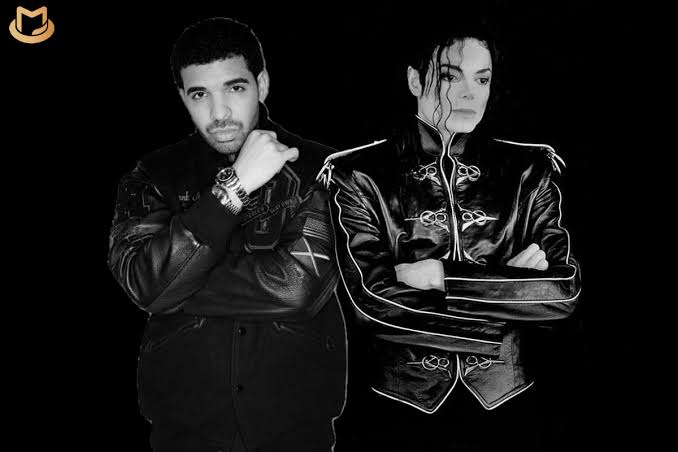
To understand the modern music industry, you have to look at the blood on the boardroom floor. For decades, the greatest generational talents in popular music shared a dark, common realization: the moment they reached the absolute pinnacle of global superstardom, they were not treated as kings, but as incredibly lucrative captive assets.
The history of the music business is littered with the shattered contracts and public breakdowns of artists who realized that the corporate machine they built was designed to own them indefinitely. This was the multi-decade war waged by Michael Jackson, Prince, and George Michael. They fought back, they bled in the press, and they sacrificed their peace of mind to shift the balance of power. They recognized that the industry was inherently predatory, built on a foundation of controlling an artist's output, ownership, and image.
Yet today, as Drake sits atop the global music hierarchy, a strange and pervasive propaganda campaign has convinced many that he is the ultimate tool of the labels, a corporate puppet controlled by Universal Music Group. His detractors point to his omnipresence and commercial dominance as proof that he is "the machine." But if you look closely at the history of what the labels have always demanded, and contrast it with how Drake actually operates, a radically different truth emerges.
Drake is not the machine's puppet. He is the fever dream of Prince, and Michael Jackson realized in the modern era. He has successfully dismantled the system of "professional slavery" from the inside out, securing a level of autonomy, ownership, and direct-to-consumer freedom that the labels spent half a century trying to prevent. The industry is currently running the exact same playbook against him that they ran against the titans of the past, but this time, the artist is winning.
The Pacing War: Prince’s Agony and Drake’s Arsenal
To understand Drake’s victory, we first have to look at Prince’s agony. In 1992, Prince signed what was touted as a historic $100 million contract with Warner Bros. Records. But the ink was barely dry before a fundamental, philosophical war broke out over one thing: output.
Prince was a musical savant who practically lived in the studio. He recorded new songs daily and wanted to release multiple albums a year as the creative spirit moved him. Warner Bros., acting as a traditional corporate entity, flatly refused. The label’s economic model was built on "marketing cycles." They wanted Prince to release one album every two to three years, allowing them to extract maximum revenue through meticulously planned singles, global tours, and radio campaigns. If he released music too fast, the label argued, he would saturate the market and cannibalize his own sales.
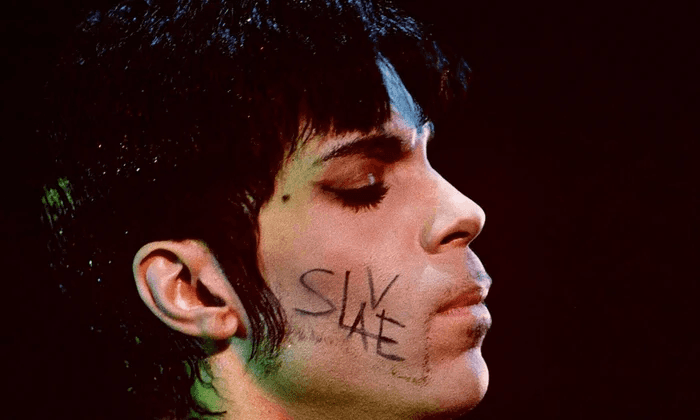
Prince saw this as a stifling of his very soul. He didn't care about the corporate marketing cycle; he cared about the art. He famously changed his name to an unpronounceable symbol and wrote the word "SLAVE" on his cheek in public appearances. He was protesting a system where a corporation, not the creator, dictated when and how art could be shared with the world. He was ultimately forced to hand over vault outtakes and rush-release contractual filler just to burn through his contract and gain his independence, eventually pioneering direct-to-fan distribution through his NPG Music Club in the early 2000s and dropping massive multi-disc sets like Crystal Ball.
Now, look at Drake. Throughout his career, but particularly in the 2020s, Drake has completely shattered the concept of the corporate album cycle. He operates entirely on the "Prince route," finding every conceivable loophole to get music out to his fans. If the label wants to slow him down, he simply bypasses them.
When Drake wanted to unload an unprecedented amount of music and behind-the-scenes content, he didn't wait for a label rollout. He dumped 100 Gigs of raw data, including unreleased songs, stems, studio footage, and essentially a triple album's worth of material, directly onto a burner website and a burner Instagram account (plottttwistttttt). By doing this, Drake achieved what Prince fought so bitterly for: the absolute right to release whatever he wants, whenever he wants, directly to his consumers, without needing a corporate stamp of approval or a two-year marketing rollout. Labels inherently despise unpredictable, rapid-fire releases because they are difficult to monetize efficiently. Drake releases music like Prince wanted to, disrupting the industry's entire logistical framework.
"Professional Slavery": George Michael’s Legal Rebellion
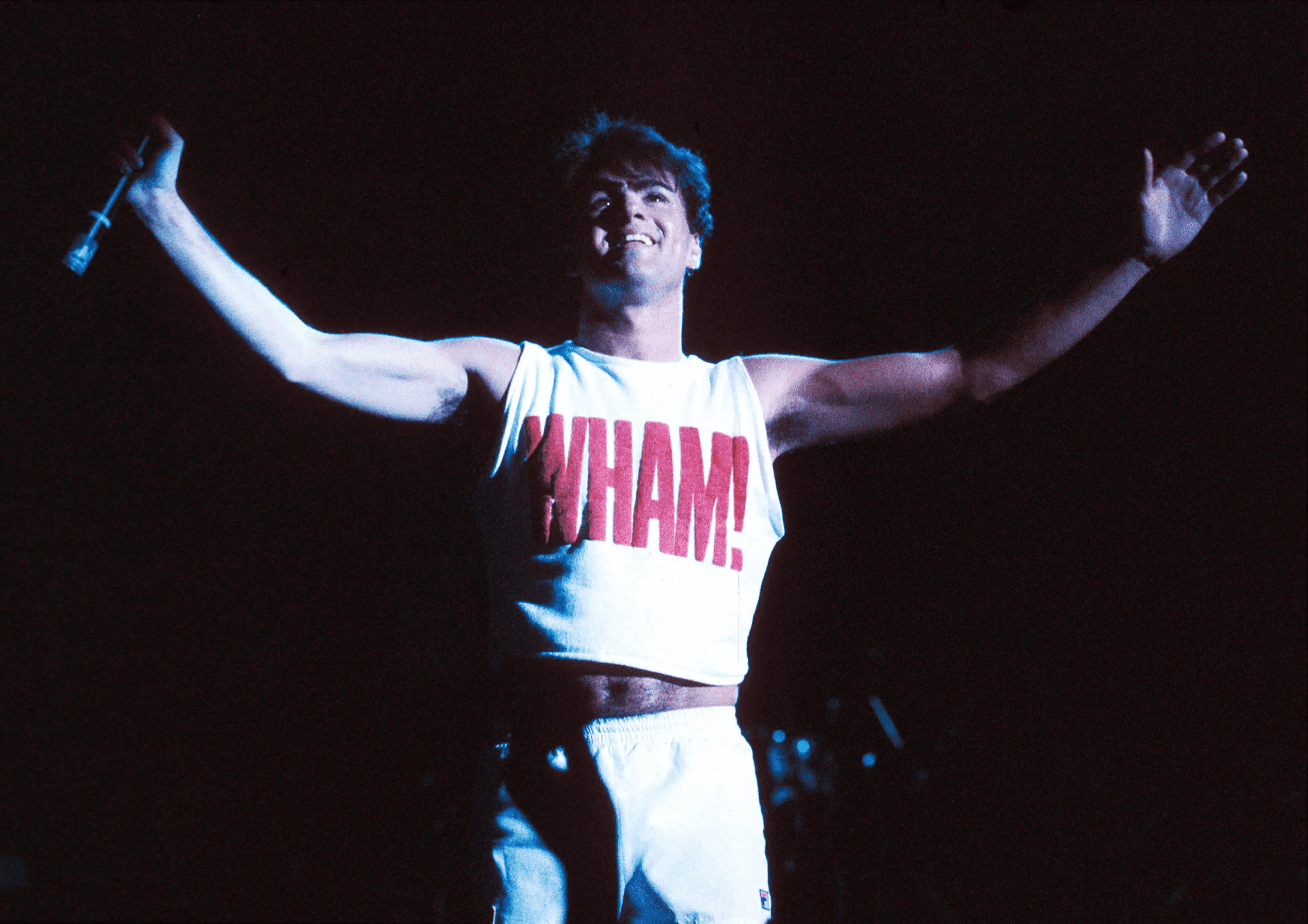
Around the exact same time Prince was fighting Warner Bros., George Michael was waging an equally bitter war against Sony Music. Following the colossal, world-dominating success of his album Faith, Michael felt suffocated by the label's demand that he continue to package himself as a pure pop sex symbol. He wanted to mature, to let his music speak for itself, and to step back from the exhausting promotional machine.
When his follow-up album, Listen Without Prejudice Vol. 1, underperformed commercially compared to Faith, Michael blamed Sony for intentionally sabotaging its promotion as punishment. In 1992, he sued Sony in a landmark attempt to break his contract, arguing that the agreement amounted to "restraint of trade."
George Michael explicitly likened his contract to "professional slavery." He argued that artists sign these deals when they are young, naive, and desperate, only to find themselves legally bound to a corporation that dictates their creative output, their public image, and their career trajectory for decades. Michael lost his lawsuit in court, but he won the moral argument in the eyes of his peers. He refused to release music for years rather than submit to the label's demands.
Drake’s career trajectory is a direct answer to George Michael’s cautionary tale. While the narrative pushed by rival fanbases is that Drake is a focus-grouped product of Universal Music Group, his actions scream otherwise. A label puppet does not drop a surprise, pivot-to-house-music dance album (Honestly, Nevermind) with zero prior marketing. A label puppet does not routinely bypass standard PR channels. Drake has avoided the "professional slavery" George Michael described by becoming too big, too legally insulated, and too culturally dominant for the label to control. He dictates terms to them.
Sabotage and Leverage: The Ghost of Michael Jackson
The most profound and dangerous parallel to Drake, however, is Michael Jackson. Jackson did not just break records; he broke the economic ceiling of what an artist could be. In 1985, Jackson made a move that terrified the music industry establishment: he purchased the ATV publishing catalog, which included the rights to the majority of the Beatles' greatest hits.
By owning ATV, and later merging it with Sony’s publishing arm to create Sony/ATV, Michael Jackson achieved something unprecedented. He was no longer just an employee of the music industry; he was a boss. He owned half of a multi-billion-dollar publishing empire. He was a peer to the executives who were supposed to be his masters.
And the machine made him pay for it.
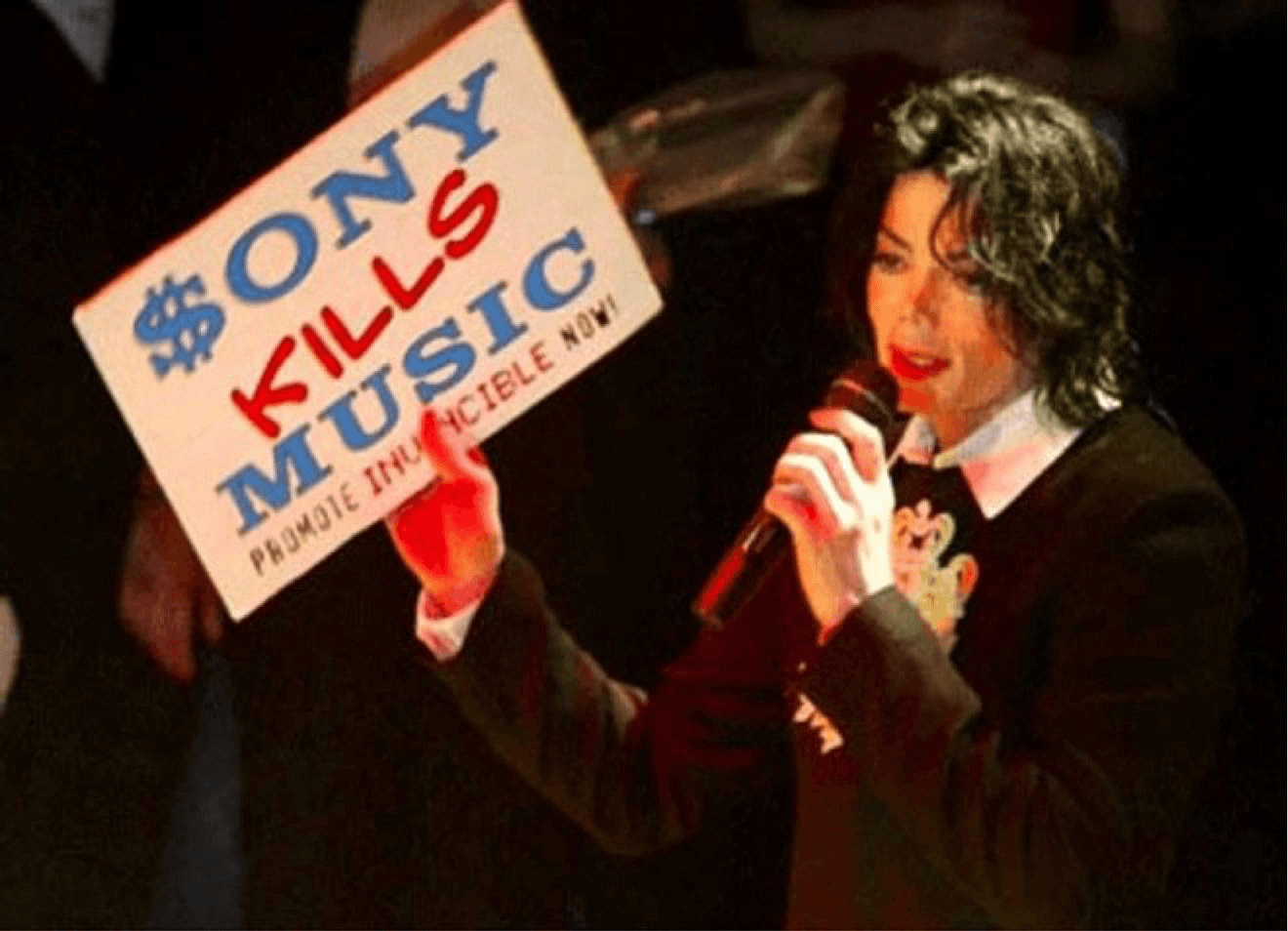
In the early 2000s, Jackson's relationship with Sony, and specifically with executive Tommy Mottola (Sounds familiar?), devolved into an ugly, highly public war. Jackson loudly accused the label of intentionally sabotaging the promotion and sales of his 2001 album Invincible. Why would a label sabotage its own artist? Leverage. Jackson claimed Sony wanted to depress his market value and financially squeeze him to force him to sell his incredibly lucrative stake in the catalog back to them. Jackson protested outside Sony headquarters, holding up signs calling Mottola "devilish" and asserting that the record industry was designed to strip Black artists of their wealth and ownership. When an artist gains that much leverage, the industry turns on them, painting them as paranoid or problematic.
Fast forward to 2024 and 2025, and history is repeating itself with chilling accuracy. Drake signed a sweeping, multi-faceted deal with Universal Music Group reportedly worth north of $400 million. But as that contract neared its end, the industry playbook opened up.
In a move that perfectly mirrors Michael Jackson’s war with Sony, Drake filed an explosive lawsuit against his own label, Universal Music Group, and Spotify. Following the high-profile rap feud with Kendrick Lamar, Drake alleged a massive corporate conspiracy. He accused UMG of using payola, algorithmic manipulation, and malicious bots to artificially inflate the streams of Lamar's diss track, "Not Like Us."
But the core of Drake's defamation lawsuit against UMG went even deeper, striking at the very heart of the music industry's dirty tactics. Drake's legal team alleged that UMG intentionally published, promoted, and monetized false, defamatory, and dangerous allegations against him, actions that led directly to security breaches and violence at his Toronto home.
Why would UMG do this? For the exact same reason Sony allegedly sabotaged Michael Jackson. Drake's lawsuit explicitly claimed that by devaluing his brand and promoting his downfall, UMG sought to gain leverage over him to force him into a more favorable contract extension. The label, seeing Drake's unprecedented power and independence, allegedly attempted to artificially deflate his worth so they could maintain control over their biggest asset. Drake suing his own label for trying to hurt his album sales and his brand is the ultimate continuation of Michael Jackson's fight. Drake refused to be squeezed. He took the machine to federal court.
The FOMO Protocol: The Industry’s Worst Nightmare
Perhaps the most revolutionary aspect of Drake's current era is how he is weaponizing his audience against the traditional streaming ecosystem. For years, the music industry has relied on a cartel-like grip over Digital Service Providers (DSPs) like Spotify and Apple Music. If you are an artist, you must put your music on DSPs, giving the platforms and the labels the lion's share of the revenue and data.
Recently, Drake committed the ultimate act of industry defiance. He released a self-funded short film and visual project titled FOMO, and debuted highly anticipated tracks like "Quebec" completely off of traditional DSPs. Instead of routing the music through Spotify or Apple Music—where UMG would take their cut and algorithms would dictate the reach—Drake uploaded the project directly to his official YouTube channel and collaborators' social media pages.
This is the music industry's worst nightmare realized. Drake completely bypassed the streaming middlemen, proving that his audience will follow him wherever he goes. He demonstrated that he does not need to rely on the established DSP infrastructure to generate massive cultural moments or reach millions of listeners. He entirely self-funded the FOMO project, taking all the risk and reaping all the direct engagement.
If the biggest artist in the world proves that DSPs are optional, it fundamentally threatens the entire economic model of major labels and streaming services. It shows other artists that there is a viable world outside of the Spotify ecosystem. It is a wildly dangerous move that establishes a new paradigm for direct-to-consumer music distribution. By moving his highly sought-after product completely off the grid, Drake is starving the very machine that attempted to devalue him.
The Final Chapter
For decades, the standard operating procedure of the music industry was clear: keep the artists in debt, control their masters, dictate their release schedules, and maintain an iron grip on distribution.
Prince sacrificed his identity and his prime commercial years to fight that pacing and demand ownership. George Michael dragged himself through the courts to expose the professional slavery of standard contracts. Michael Jackson used his immense wealth to buy leverage, only to face a relentless corporate backlash when he tried to wield it against the executives.
What was done to them was almost successfully done to Drake. The labels tried to space out his releases. When he gained too much leverage, they allegedly funded and promoted campaigns to destroy his reputation and artificially depress his market value to force his hand in negotiations. They pushed the propaganda that he was the machine, blinding the public to the fact that he was actually fighting it.
But Drake is on the right side of history. He has become the largest artist in the world once again by utilizing these independent, guerilla-style releases. From the 100 Gigs data dumps to the FOMO YouTube exclusives, to the collaborative loopholes with PartyNextDoor and 21 Savage, Drake has proven that an artist can out-maneuver the corporate monoliths.
This is the final chapter in the war that Prince and Michael Jackson fought. The industry followed the same predatory playbook they always have, but Drake had the blueprint, the capital, and the sheer audacity to counter their moves. By breaking the two-year album cycle, fighting back against corporate sabotage in federal court, and proving that artists can successfully thrive completely off DSPs, Drake has secured the ultimate win for musical creators. He hasn't just survived the machine; he has fundamentally shifted the industry forever, leaving a new roadmap for future artists to follow toward true independence.
Featured Posts