YEISM: Why Kanye West Never Changed, We Just Never Understood Him
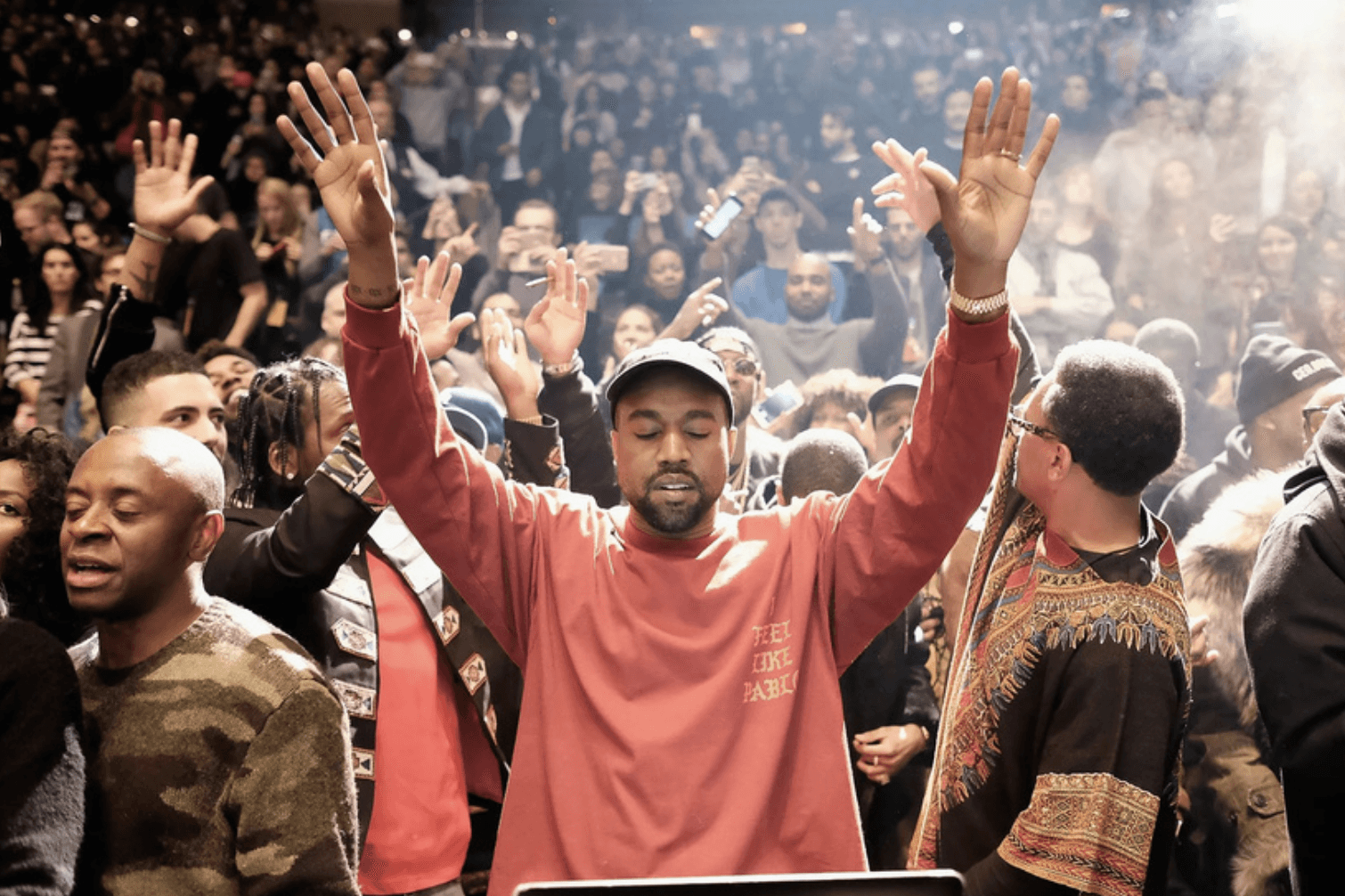
There are some people who break the rules, and then there are people who were never playing the same game to begin with. Kanye West has always been the latter. For twenty years, the world has tried to diagnose him, label him, box him in, calm him down, explain him, cancel him, celebrate him, worship him, or destroy him. And through all of that, one thing has remained consistent: Kanye West believes Kanye West.
Django Degree
A Psychological Reframing Through Claude Steiner, Ph.D.

There are some people who break the rules, and then there are people who were never playing the same game to begin with. Kanye West has always been the latter. For twenty years, the world has tried to diagnose him, label him, box him in, calm him down, explain him, cancel him, celebrate him, worship him, or destroy him. And through all of that, one thing has remained consistent: Kanye West believes Kanye West.
People say he “changed.” They say he “fell off.” They say he “lost his mind.” But the truth—the unconventional truth—is that Kanye never changed. Our expectations did.
And the reason so many people misunderstand him is because Kanye doesn’t transact with the world from the same psychological model most of us unconsciously follow. Claude Steiner, Ph.D., one of the founders of Transactional Analysis, laid out a system that explains human behavior through ego states and transactions. Most people bounce between three ego states—Parent, Adult, and Child—depending on context. Kanye, however, doesn’t shift like that. He operates from one dominant ego state at all times, and he interacts with the world through transactions that don’t follow the usual rules.
That’s why the public reads him as unpredictable.
That’s why the culture calls him bipolar.
That’s why people project instability onto a man who has been stunningly consistent for two straight decades.
I call this phenomenon Yeism—a belief system forged in fire, vindication, and self-certainty so strong that the moment he commits to a vision, he has to follow it through. He doesn't toggle. He doesn’t adjust for your comfort. He doesn’t soften for optics. He runs forward until the world rearranges itself to the truth he already saw.
And the thing is?
He’s been right too many times for it to be a coincidence.
Let me break down how Steiner’s psychology explains Kanye—and why what looks like chaos is actually the same pattern repeating itself with machine-like consistency.
Claude Steiner and the Psychology of Transactional Analysis
Claude Steiner argued that every interaction humans have is made of two parts: a stimulusand a response. These transactions come from one of three ego states:
Parent (P): Learned rules, judgment, authority, “shoulds,” inherited values.
Child (C): Emotion, impulse, creativity, rebellion, vulnerability, wonder.
Adult (A): Logic, reasoning, reality processing, decision-making.
"Healthy people" move fluidly between these states. They argue from the Parent state and apologize from the Adult. They dream from the Child and execute from the Adult. The ability to shift is part of what we think of as “normal.”
But what happens if someone can’t—or simply doesn’t—shift?
Steiner would argue that this person appears rigid, reactive, or difficult to the outside world because they don’t negotiate ego states like everyone else. Their one-state dominance makes their behavior consistent in a way that can be mistaken for mania when the world is out of sync with them.
This is where Kanye comes in.
Kanye West and the Single Ego State Phenomenon
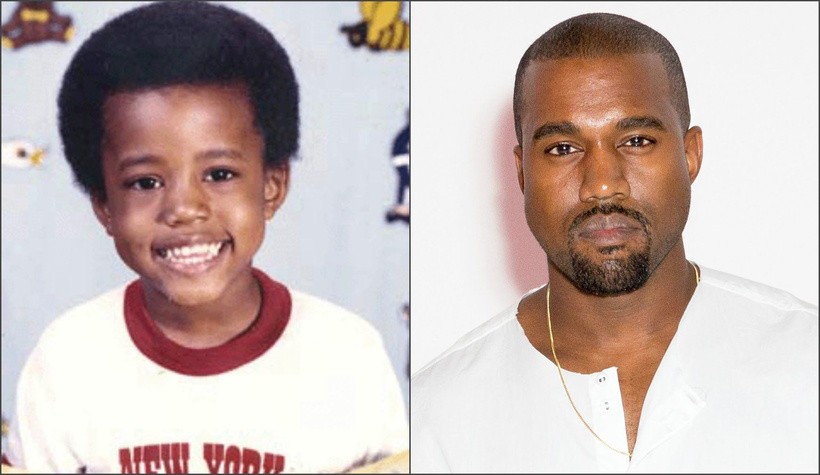
Kanye operates from a creative, future-locked Child-Adult hybrid—a rare configuration. His Child ego fuels imagination, intuition, and emotion. His Adult ego is what turns those visions into world-shifting products. But what’s missing is the Parent ego—the “shoulds,” the caution, the self-editing.
Kanye simply does not perform Parent ego state transactions.
He doesn’t adjust behavior for social acceptance.
He doesn’t self-censor.
He doesn’t prioritize obedience.
He doesn’t comply with the norms that keep most people in line.
And because he doesn’t toggle, people interpret him through the wrong psychological model.
They think he “snaps.”
They think he has “episodes.”
They think he spirals.
But in reality, Kanye behaves with stunning predictability:
Feels a truth intensely
Acts on it immediately
Challenges everyone who doubts him
Pushes until reality bends
Gets vindicated later
Repeats
That’s not bipolar.
That’s one ego state operating at all times, unfiltered and undefeated.
And if you examine his actual words—from 2002 to 2024—you see the same pattern over and over again.
The Long Arc of Kanye’s Self-Belief (With Quotes)
Kanye has been saying the same thing his whole life:
"I see something you don’t see yet, but you will."
People just weren’t listening.
Let’s go back.
Early Kanye (2002–2004): Before the World Believed
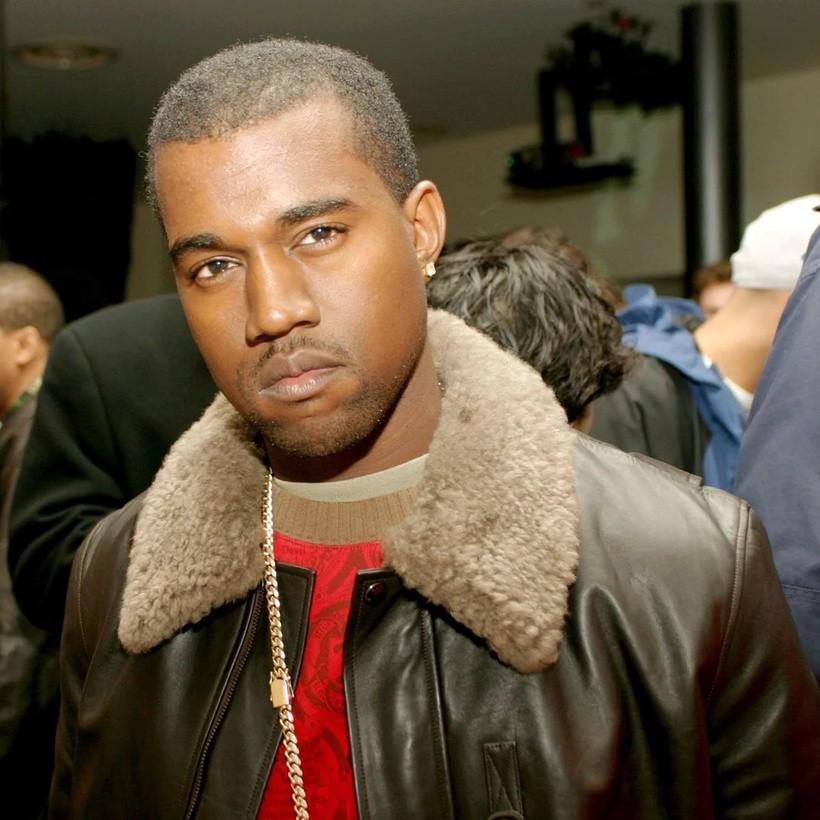
On “Last Call,” before he had an album out, before he was a star, before he even knew if the industry would accept him, Kanye said:
“I’m gonna be the next big producer. And I’ma be bigger than that. I’ma be the best.” — “Last Call” (2004)
Nobody believed him.
That was the first mistake.
He also said:
“I ain’t have a problem with self-esteem. I always had a problem with the world.” — Interview, 2003
See the pattern?
He never doubted himself.
He doubted the world’s ability to see him clearly.
Steiner would say Kanye wasn’t matching the world’s ego-state expectations. He wasn’t operating from the insecure Child or the cautious Parent. He was operating from a self-actualizing Adult-Child fusion. He had already decided who he was, and he expected the world to catch up.
And—eventually—it did.
Graduation Era (2007): The First Great Vindication
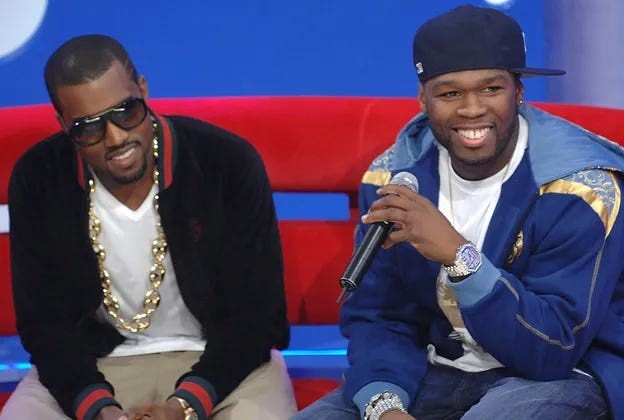
People forget how insane it sounded when Kanye said he would outsell 50 Cent in 2007.
The industry laughed.
Radio laughed.
Hip-hop laughed.
He said:
“I’m going to be the biggest artist of this generation.” — MTV, 2007
They told him he was delusional.
Then Graduation outsold Curtis, shifted the entire sound of hip-hop, and ended a gangster-rap era in one day.
That wasn’t an accident.
That was Yeism: belief + execution + vindication.
The Yeezus Era (2013): The World Calls Him Crazy

During the Yeezus press run, Kanye gave us some of the clearest Yeism statements ever recorded. Society called him manic. But listen to the quotes without judgment:
“I know I’m going to be the biggest rock star of all time.” — BBC Radio 1, 2013
“I’m not always right, but I’m always real.” — Zane Lowe Interview
“I feel like I’m too busy writing history to read it.”
These aren’t manic episodes.
These are identity statements.
Steiner would say that Kanye is stuck (or anchored) in one ego state—but that ego state is functional, productive, visionary, and unclouded by Parent-state insecurity.
Kanye never claims to be right.
He claims he will eventually be seen as right.
And historically?
He has been.
The Fashion Wars (2008–2016): The World Doubts Him Again
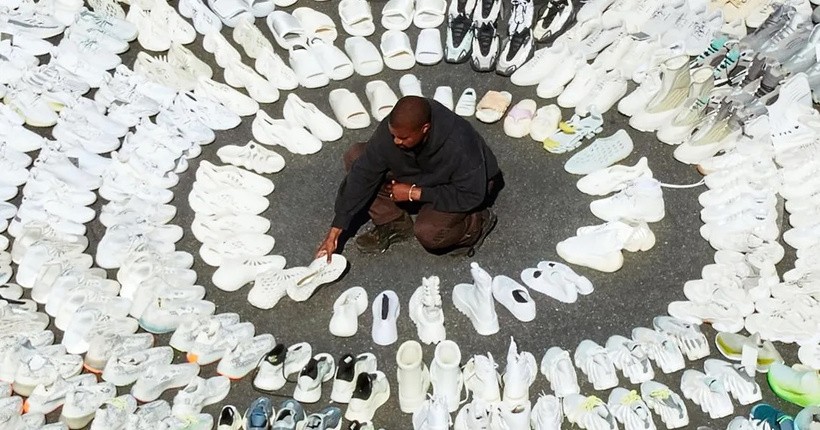
This is where Yeism hits its apex.
Nobody in fashion wanted him.
They laughed when he called himself a designer.
They mocked his ambitions.
His response?
“I will go down as the voice of this generation, of this decade.”
“You don’t realize—I am Warhol. I am the number one most impactful artist of our generation.”
And the most prophetic:
“I see stuff that other people don’t see. So why would I listen to people who can’t see what I see?”
People called him unstable.
People called him delusional.
But ten years later?
Yeezy became a multibillion-dollar empire that changed the entire silhouette of footwear worldwide.
Who was right?
The same person who always is.
Kanye.
The Sway Moment (2013): A Masterclass in Single-Ego-State Psychology
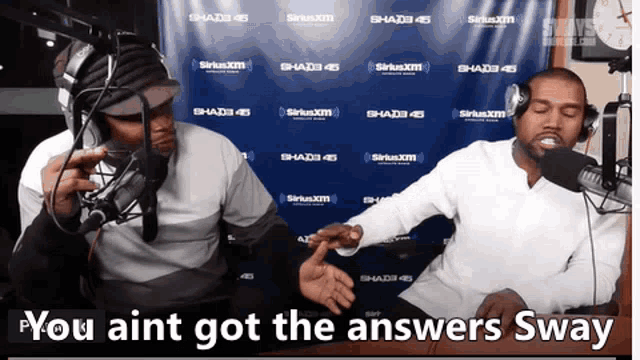
Everyone remembers “You ain’t got the answers, Sway!”
But people forget what happened later.
Years later, Kanye said:
“You know what? Sway had the answers.”
Not because he shifted ego states.
But because his Adult ego state finally had the data.
Kanye’s pattern is simple:
Decide based on intuition (Child)
Execute with force (Adult)
Reassess when the truth reveals itself
Acknowledge it openly
Not bipolar.
Not unstable.
Simply linear.
Kanye does not negotiate feelings.
He negotiates truth over time.
Yeism: A Belief System Forged From Repeated Vindication
Yeism is what happens when a person’s intuition keeps being proven right, even after years of being told they’re wrong.
After a while, your brain says:
“Everyone telling me no is a distraction.”
“Doubt is a sign I’m on the right path.”
“Opposition is the price of being early.”
And Kanye has said all of these things, just in Kanye language:
“For me to say I wasn’t a genius, I would just be lying to you and to myself.”
“Sometimes people write novels and they just be so genius. I just want to write life.”
“My greatest pain in life is that I will never be able to see myself perform live.”
People call those statements narcissistic.
I call them data points.
A man who has been right too many times begins to assume correctness.
A man who has been doubted too many times begins to assume doubt is ignorance.
A man who has been misunderstood his whole life begins to see misunderstanding as proof of originality.
That’s Yeism.
Not delusion—pattern recognition.
And that’s why people mistake him for bipolar.
Not because his mood changes.
But because his transactions with the world don’t shift ego states the way we expect.
Why Black America Misread Kanye
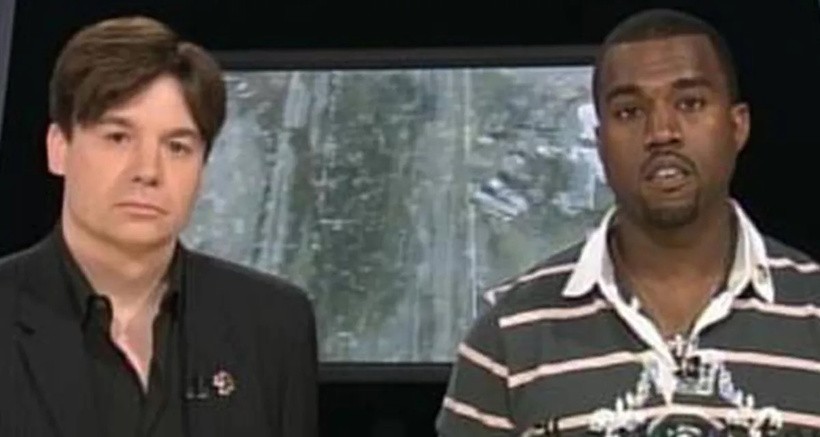
People always bring up the moment Kanye said, live on national television:
“George Bush doesn’t care about Black people.”
And for a long time—especially in the early 2000s—Black America held onto that moment as proof that Kanye was “one of us,” fighting with us, fighting for us, speaking truth to power on our behalf.
But here’s what we missed:
Kanye wasn’t performing a political act.
He was performing a personal truth transaction.
He felt something was wrong.
He said the thing everyone else was too scared to say.
He didn’t check with the Parent ego for permission.
He didn’t check with the Adult ego for optics.
He didn’t negotiate with the Child ego for comfort.
He felt. He spoke. He acted.
One ego state. One direction. One truth.
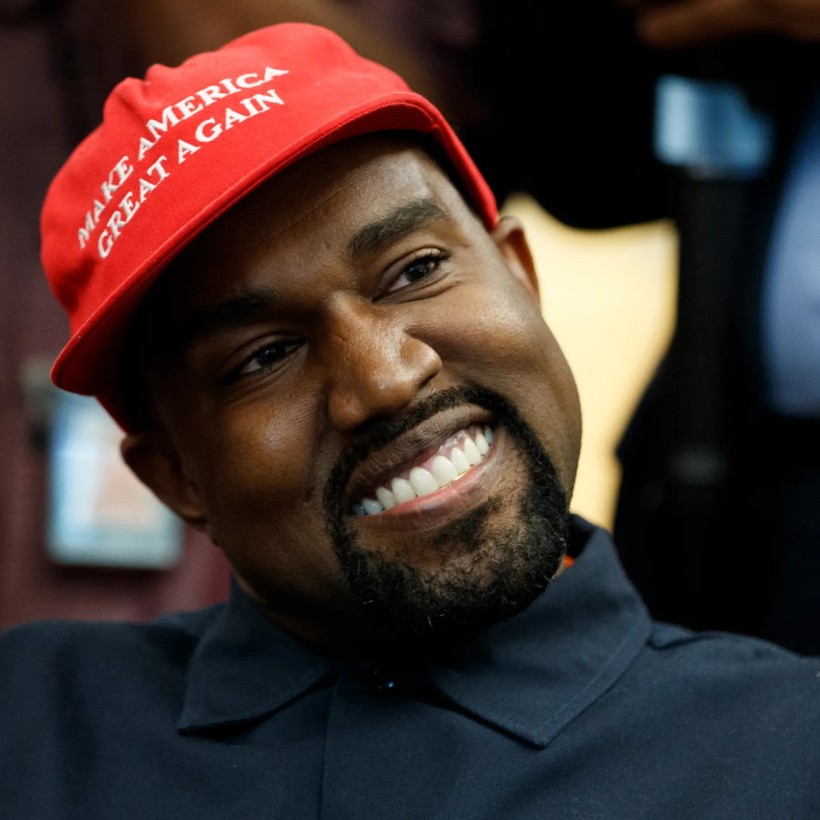
When Kanye later stood next to Trump wearing a MAGA hat, Black America treated it like betrayal. Because we projected meaning onto him that he never agreed to. We wanted him to be our representative, our voice, our avatar.
But Kanye has never represented anyone except Kanye.
And he told us this a long time ago:
“You may be talented, but you're not Kanye West.”
It sounds arrogant until you understand the psychology behind his behavior. Kanye isn’t shifting allegiances. He’s not switching sides. He’s not flip-flopping.
He’s doing what he has always done:
Feel something
Believe it with complete certainty
Act on it with no hesitation
Challenge anyone who doubts him
Adjust only when new truth arrives
And the thing is?
He’s consistent to a fault.
Black people thought Kanye was “ours.”
But Kanye was never ours.
Kanye was always his.
That’s not betrayal.
That’s self-definition.
The Visionary's Curse: Why Society Projects Instability onto People Like Kanye
People call Kanye crazy because they don’t understand the psychology of someone who doesn’t play the Parent-Adult-Child game.
Most of society is Parent-led.
We are rule-bound.
We’re self-policing.
We obey norms to avoid punishment.
Kanye is Child-Adult fused:
The child = “I’m going to say the truth out loud.”
The adult = “I am going to make this vision real in the physical world.”
When someone operates like that, people get uncomfortable because:
He cannot be controlled
He does not respond predictably
He does not fear consequences
He does not adjust for social expectations
He does not seek permission
And people mistake this lack of normative behavior for pathology.
But ask yourself this:
If Kanye were actually bipolar in the way the public insists, how does a man in “chaos” deliver some of the most structured, meticulous artistic output of the last 50 years?
The College Dropout — carefully crafted
Late Registration — orchestral, disciplined
My Beautiful Dark Twisted Fantasy — perfectionism embodied
Yeezus — minimalist precision
808s & Heartbreak — emotionally coherent
Donda — an opus structured in movements
Kanye is chaotic in public but surgical in creation.
That alone disproves the “bipolar = erratic output” narrative.
Here’s what’s really happening:
Kanye does not have mood swings;
he has clarity swings.
Not clarity as in “he’s confused,” but clarity as in:
He sees something clearly
Then he sees something else clearly
Most people get stuck on one truth at a time.
Kanye sees multiple truths across timelines.
He said:
“I am a forward thinker, and I speak from my forward thinking.”
People confuse futurism with insanity.
But the only real difference is hindsight.
When you’re early, people call you crazy.
When you’re right, they call you a genius.
Kanye has just lived through that cycle too many times.
Kanye’s Creative Game of Chicken
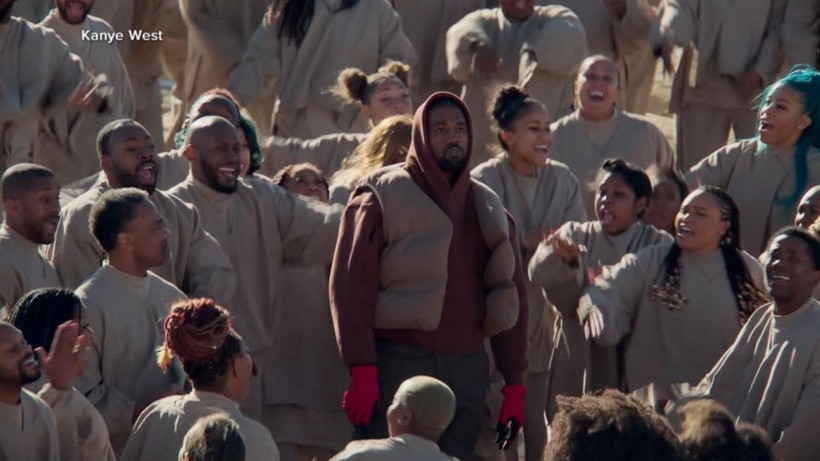
When Kanye commits to a vision, he tests the world:
“How much resistance will you give? How much are you willing to lose to stop me from doing what I know needs to be done?”
He’ll push until:
labels break
brands bend
executives panic
audiences split
friends fall away
contracts collapse
And if the price of his vision is “everything”?
Kanye will pay it.
He said:
“I’d rather be hated for what I am than loved for what I’m not.”
And:
“I refuse to follow the rules that society has set up.”
This is not a tantrum.
This is not instability.
This is a transactional test.
Kanye pushes reality.
Reality eventually gives.
Because that’s what visionaries do.
The Consistency of Being Misunderstood
People act shocked when Kanye pivots, but Kanye told us:
“I’m not always right, but I’m always right eventually.”
This is the most Yeism quote in existence.
It means:
He doesn’t care if he looks wrong now
He expects to be proven right later
He trusts the long arc of truth
He is loyal to his vision, not momentary opinion
Steiner would say Kanye’s Adult ego is not focused on “current reality,” but “future reality.” That’s why Kanye operates like a time traveler emotionally.
He behaves today based on the truths of tomorrow.
That means Kanye is never wrong in his own frame.
He can’t be. Because his truth is always set in the future, not the present.
That’s why he said:
“I feel like I just see things that people don’t see.”
And:
“My mind is the place where I draw from, not the world.”
People don’t realize how consistent that is.
Let me list out the predictions that got him laughed at:
Being a rapper (before anyone believed he could rap)
Becoming the biggest artist of his generation
Popularizing auto-tune emotionally
Making his fashion a serious part of hip-hop
Yeezy becoming a global fashion powerhouse
Building a self-contained creative ecosystem in Wyoming
Redefining church aesthetics and gospel music
Each one started with laughter.
Everyone ended in vindication or impact.
This isn’t mania. This is a man whose future has a habit of becoming everyone else’s present.
Why People Call Kanye Bipolar Instead of Calling Him Early
It’s easier for society to diagnose a visionary as “unstable” than to acknowledge our own psychological rigidity.
When Kanye refuses to shift ego states, it makes us uncomfortable because we rely on shifting:
We apologize even when we’re right
We downplay our gifts
We surrender our intuition
We obey norms we don’t believe in
We pretend to be smaller
We negotiate our dreams
Kanye does none of this.
And when you meet someone unbound by the Parent ego?
Someone who does not bow?
Someone who does not flinch?
Someone who does not shrink?
Someone whose identity is not up for negotiation?
The only words people have left are:
“Crazy.”
“Bipolar.”
“Unstable.”
But all Kanye is doing is refusing to participate in the ego-state transactions we have normalized.
We think that makes him unhealthy.
But maybe it reveals something unhealthy about us.
The Final Synthesis: Kanye West Through Claude Steiner’s Lens
Let me put it plainly:
Kanye isn’t broken.
Kanye is unintegrated.
But unintegrated doesn’t mean unstable.
Claude Steiner’s Transactional Analysis becomes a map:
Parent: Kanye rarely uses this
Adult: Kanye uses this to build, create, execute
Child: Kanye uses this to feel, intuit, imagine
Instead of shifting between them fluidly, Kanye blends two and ignores one.
Most of society blends Parent + Adult.
Kanye blends Child + Adult.
This is why he’s a once-in-a-generation creator.
It’s also why he’s a once-in-a-generation disruption.
His brain is wired for:
seeing
feeling
building
expressing
challenging
expanding
He is not wired for:
conforming
apologizing
self-censoring
pleasing
obeying
performing normalcy
So what looks like volatility to the world is actually the opposite:
A straight line.
A single frequency.
A fixed axis.
A man who never changed, even when the world begged him to.
The Case for Yeism
Here’s what I know now:
Kanye wasn’t wild when he disrupted the music industry.
He wasn’t manic when he disrupted fashion.
He wasn’t crazy when he said things no one wanted to hear.
He wasn’t confused when he pivoted spiritually.
He wasn’t lost when he changed aesthetics, alliances, and ambitions.
Kanye West is a man who:
trusts his inner voice
acts instantly
fights relentlessly
adjusts only when truth requires it
refuses to shift ego states
refuses to negotiate his identity
refuses to pretend
He acts with brute-force conviction because that is the only transaction style he knows.
And truthfully?
Given the results…
Who can argue with him?
Yeism is the belief system forged when a person has been right so many times that their intuition becomes their religion. Kanye follows that religion with full devotion.
Not because he thinks he’s God.
But because he knows he’s Kanye.
And as he once said:
“I am my own universe.”
He wasn’t bragging.
He was giving us the blueprint.
All we had to do was understand it.
In Closing
They tell me I’m crazy for making everything free. But I believe truth should never have a price tag, and the people who recognize real will always support the creator who refuses to lie to them.
If this spoke to you, join the Patreon. Stand with the work. Stand with the truth.
I love you.
Featured Posts