Self-Funded Surrealism: Why the World Missed the Point of Drake’s FOMO
When your reality becomes an endless canvas, spending $150,000 on custom Iron Man suits for a stroll at a local carnival isn't reckless spending, it's pure surrealist art.
Django Degree

Self-Funded Surrealism: Why the World Missed the Point of Drake’s FOMO
The moment Drake dropped his FOMO (Fear of Missing Out) visual project, the internet did exactly what the internet always does: it rushed to judgment using the wrong set of rules. Keyboard critics and casual observers immediately started typing up predictable think pieces, dissecting it through standard music video tropes or gossip-column lenses. But if you actually paid attention to what Drake posted right before dropping the visual, calling it "self-funded surrealism", you’d realize that FOMO was never meant to be judged as just another music video rollout. It was through and through an exercise in living, breathing avant-garde art.
Most people will judge this project based on something entirely outside the concept of surrealism because they don't know what surrealism actually is. They want a linear story, a standard hip-hop flex, or a polished promotional campaign. But surrealism in art is a 20th-century avant-garde movement that sought to release the creative power of the unconscious mind through dreamlike, bizarre, and irrational imagery.
When you look back at the masters of the movement, the parallels to what Drake put on screen become unshakeable:
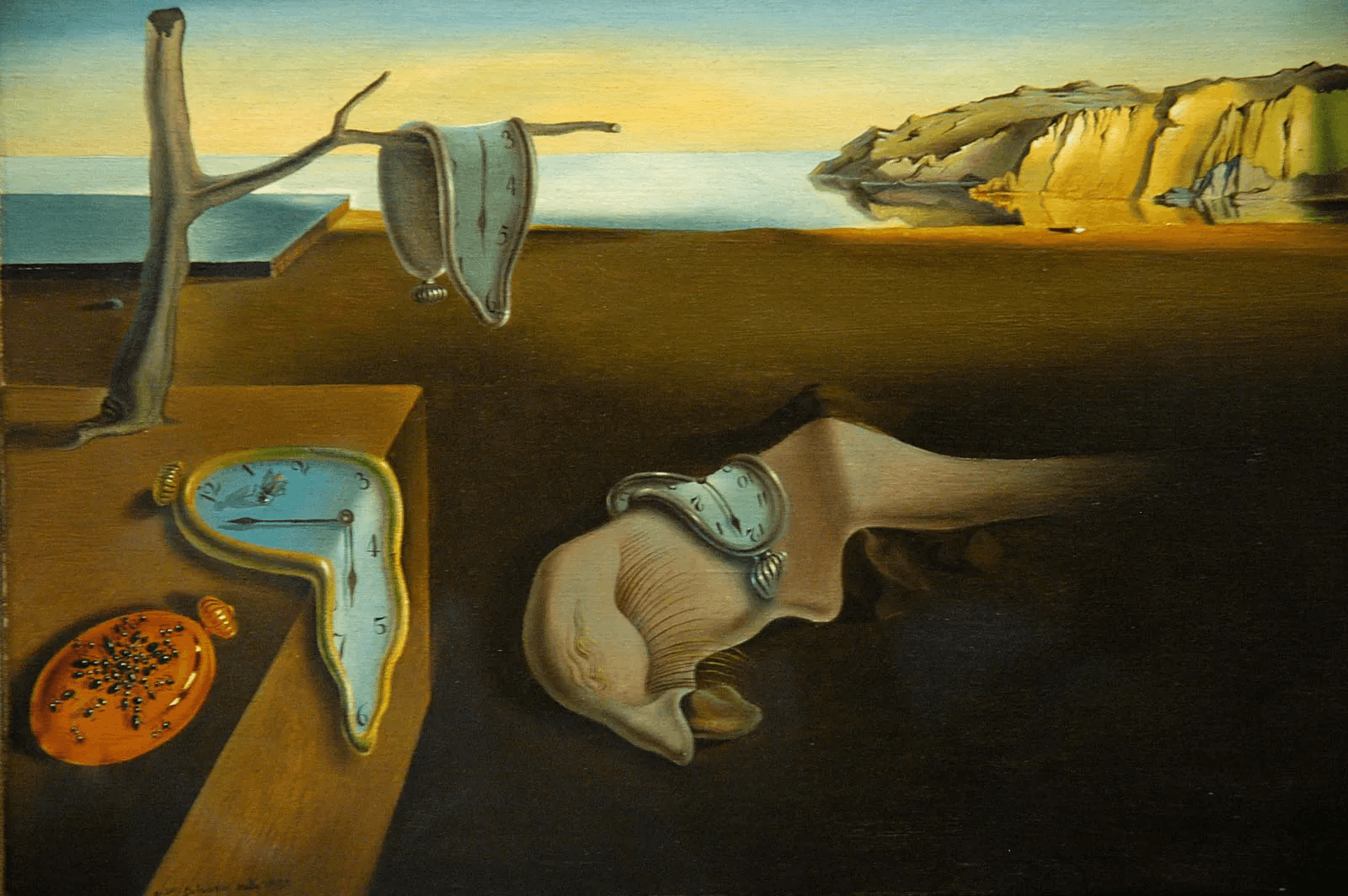
Salvador Dalí: Famous for hyperrealistic, melting dreamscapes like The Persistence of Memory, where time literally warps and bends in absurd, beautiful environments.
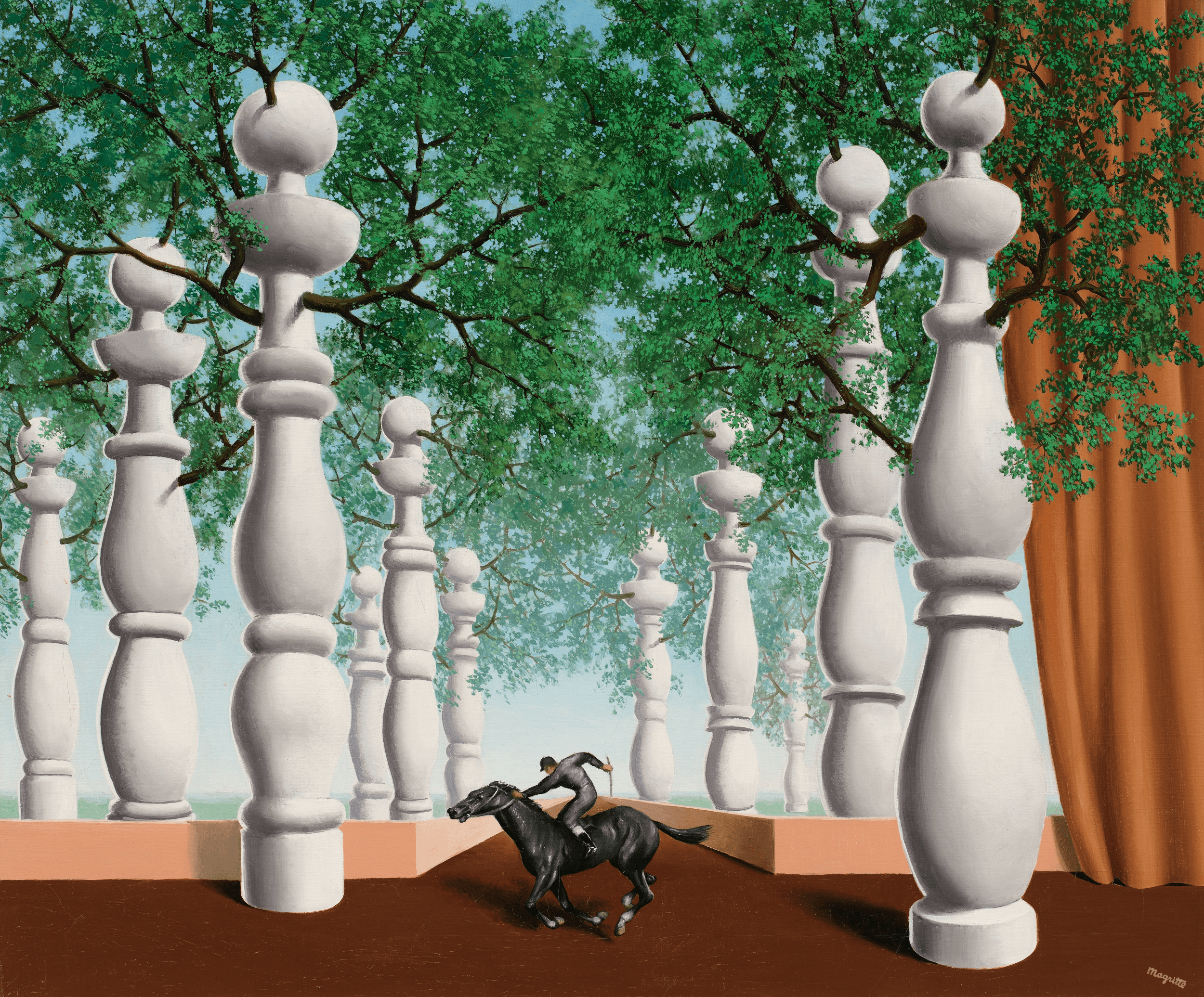
René Magritte: Known for thought-provoking, paradox-laden scenes that challenge basic perceptions of reality—forcing the viewer to question what is real and what is merely a representation.
Joan Miró: Used abstract, biomorphic shapes, playful automatism, and subconscious impulses to create visual poetry that defied traditional structure.
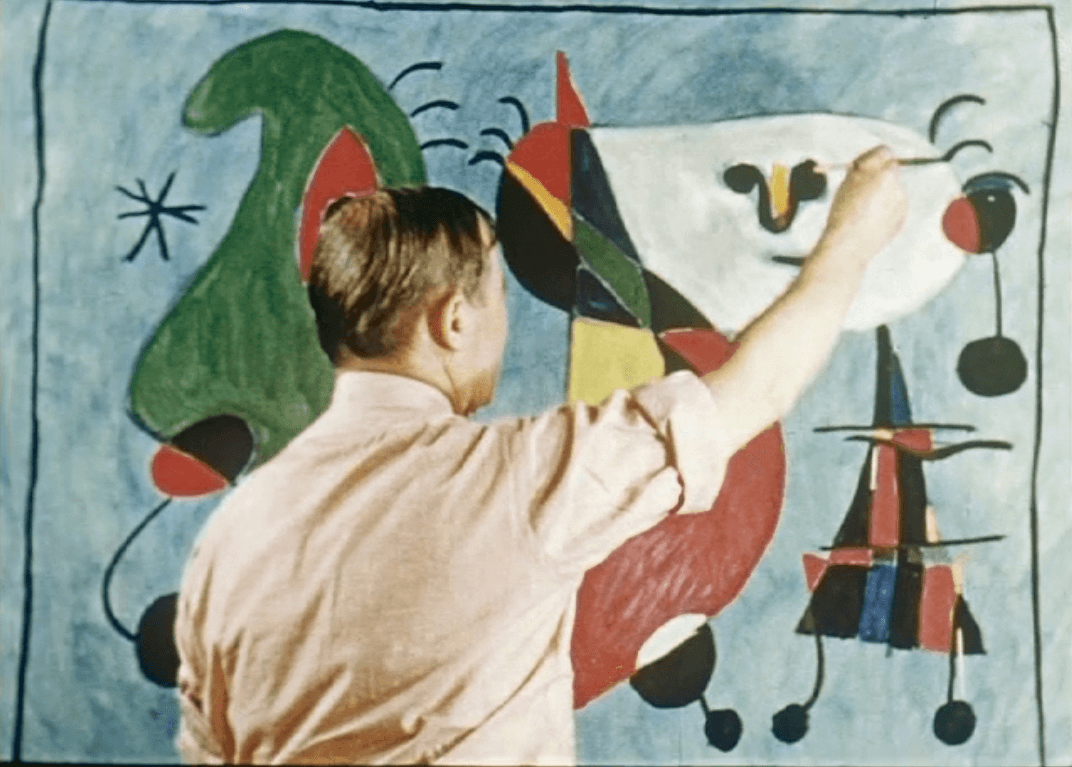
What Drake captured in FOMO, from the sprawling halls of his Toronto home to the absurd stacks of custom jewelry, the spontaneous tropical escapes, and the raw phone calls with his accountant, is the literal definition of surrealism applied to modern iconography. He wasn't just making a video; he was letting us peer into a life that has transcended standard human experience.

The Concept That Is Drake: $150,000 Iron Man Suits and Financial Paradoxes
Drake is considered a rapper by some and reduced to "just a pop star" by haters, but FOMO was quite literally showing that people outside his orbit simply cannot comprehend what it’s like to become the concept that is Drake.
Take one of the most surreal and hilarious moments in the entire visual: the phone call from his accountant. Here is a high-level financial professional, trained in spreadsheets, budgets, and standard asset management, trying to make sense of Drake’s balance sheet. The accountant is questioning why $150,000 was spent on two custom suits. But the ultimate punchline, the piece of pure surrealism, is that Drake bought these hyper-detailed, fortune-costing armored suits just to pull up to a local fair for a walk around under the neon ferris wheel lights, and leave.
His accountant doesn't even have the framework or capacity to understand that level of spontaneity. To a rational mind, spending six figures on comic-book armor line itemed as suits for a stroll at a carnival is complete madness. But in the dreamscape of Drake’s reality, it makes total sense. It is Magritte’s pipe; it is Dalí’s melting clock. It is an irrational act executed with hyperrealistic precision.
Drake isn't trying to justify the expense, nor is he flexing in the traditional, insecure way a new artist might. He is showing us that his day-to-day existence operates on a logic completely detached from standard society. When your reality becomes an endless canvas, $150,000 for two minutes of cinematic absurdism at a fairground isn't reckless spending, it's art.
"We Do Things That People Pay to Document"
Back on the classic track You and the 6, Drake had a line while recounting a conversation with his mother about a woman she wanted him to take out on a date:
"Maybe one day but even one day with us is a time of a life / We do things that people pay to document"
FOMO is the ultimate visual proof of that exact bar. What we watched was a mosaic of moments that any major media outlet or documentary crew would pay millions to capture, delivered casually as if it were just a typical Tuesday afternoon in the 6.
Look at the parade of figures moving through his world like characters in a fever dream:
Lena the Plug: Appearing inside his home, lounging near the pool and moving through the scene like a GoGo Gadget Goer in the wild aftermath of her very public media fallout with Adam22. Her presence fits seamlessly into Drake’s uncanny ecosystem.
Stunna Sandy: Cruising on boats on open waters during the visual for "Outside Tweaking," blending high-fashion leisure with unfiltered energy.
Sexyy Red: Dancing inside his mansion while a Chanel sign hanging on the door explicitly reads "Disturb if you dare" as "Cheetah Print" plays. It’s playful, bizarre, and utterly magnetic.
Sandi Graham: Hanging out with his mother and her friends, sharing inside jokes, showing off her "Icemom" tattoo, and laughing about wanting to give him another name, grounding the overwhelming luxury with genuine family warmth.
The Castle Giveaway: Handing out brand-new cars and bags of cold hard cash to strong, deserving women at an actual castle like a modern-day fairytale benefactor.
None of these scenes feel staged in the traditional Hollywood sense. They feel like glimpses into an ongoing, unscripted reality where the bizarre and the opulent coexist without explanation. It is automatism in motion, capturing life as it flows through Drake’s personal universe without forcing an artificial narrative structure onto it.
Secret Admirers, Haters, and the Fallacy of the "Small Circle"
Drake knows better than anyone that people treat him like an object of their affection, whether they admit it or not. There are those who love him deeply for what his music has done for their lives, the soundtrack to their heartbreaks, their wins, their late-night drives, and their triumphs. And then there are the secret admirers: the people who claim to hate him, yet watch every single second of his content, break down every lyric, and analyze every move he makes. Their hate is just frustrated admiration, an obsession with a life they can observe but never touch.
For months, the internet chatter was filled with tired narratives. Critics wrote endlessly about his alleged depression, rumors of his circle getting smaller, and allegations that people were turning their backs on him.
FOMO makes all of that talk look plain stupid.
The timeline of the film appears to have been shot continuously from the moment his triple album dropped right up until today. It shows that while the internet was inventing stories of his downfall, Drake was living at a level of freedom, joy, and creative output that most artists couldn't dream of achieving in a lifetime. The circle didn't shrink out of defeat; it refined itself by design.
For the people who stayed 10 toes down, real brothers in the game like Don Toliver, the message in FOMO was crystal clear: we are still dropping hits for your headtop. We are sampling our own catalog, pushing our own sound, building our own movies, and doing it all completely self-funded. No corporate puppet masters, no label mandates, no external creative directors telling the 6 God how to frame his own life.
The Verdict for the Overly OVO
When you sit back and look at the entire piece, FOMO isn't just content, it's a statement of absolute autonomy. Drake took the raw material of his existence, the insane luxury, the bizarre celebrity encounters, the deep family ties, the late-night studio sessions, and the financial absurdities, and slapped it together into an hour-long surrealist statement.
While the rest of the world spends the next few weeks writing oblivious think pieces that completely miss the concept of surrealism, those of us who are overly OVO know what time it is. We loved every single second of it. Drake didn't just drop music; he showed us what it looks like when you win so completely that reality itself starts to bend around you.
He delivered again. Exactly like he said he would.
And like Nostradamus, the bars just keep coming true….
And on top of that it's gettin' harder to eat
Rappers downgradin' houses, puttin' cars on the lease
To think labels said they'd have a problem marketin' me
And now it's everybody else that's gettin' hard to believe
But, man, oh, you gotta love it (Oh)
Featured Posts