The World Inherits the Rhythm. Black Artists Inherit the Box.
The current system relies on a double standard. The world is allowed to borrow the clothes, the slang, the cadences, and the rhythms of hip-hop and R&B without ever being trapped by them.
Django Degree
There is a strange, recurring ritual at the Grammys that happens almost every year. A Black artist makes an album that breaks the boundaries of popular music, blending synthesizers, avant-garde arrangements, and orchestral pop. The record dominates the charts, shifts the cultural fashion, and alters the very vocabulary of the internet. Then, when the nominations are announced, that album is funneled directly into the "Urban," "Rap," or "Progressive R&B" categories.
When Tyler, The Creator won Best Rap Album for IGOR in 2020, he stood in the media room and said the quiet part out loud. He noted that whenever artists who look like him do anything genre-bending, the industry always puts it in a rap or urban category. He explained that he dislikes that "urban" word because it feels like a politically correct way to say the n-word to him. He asked why they can’t just put it in pop.
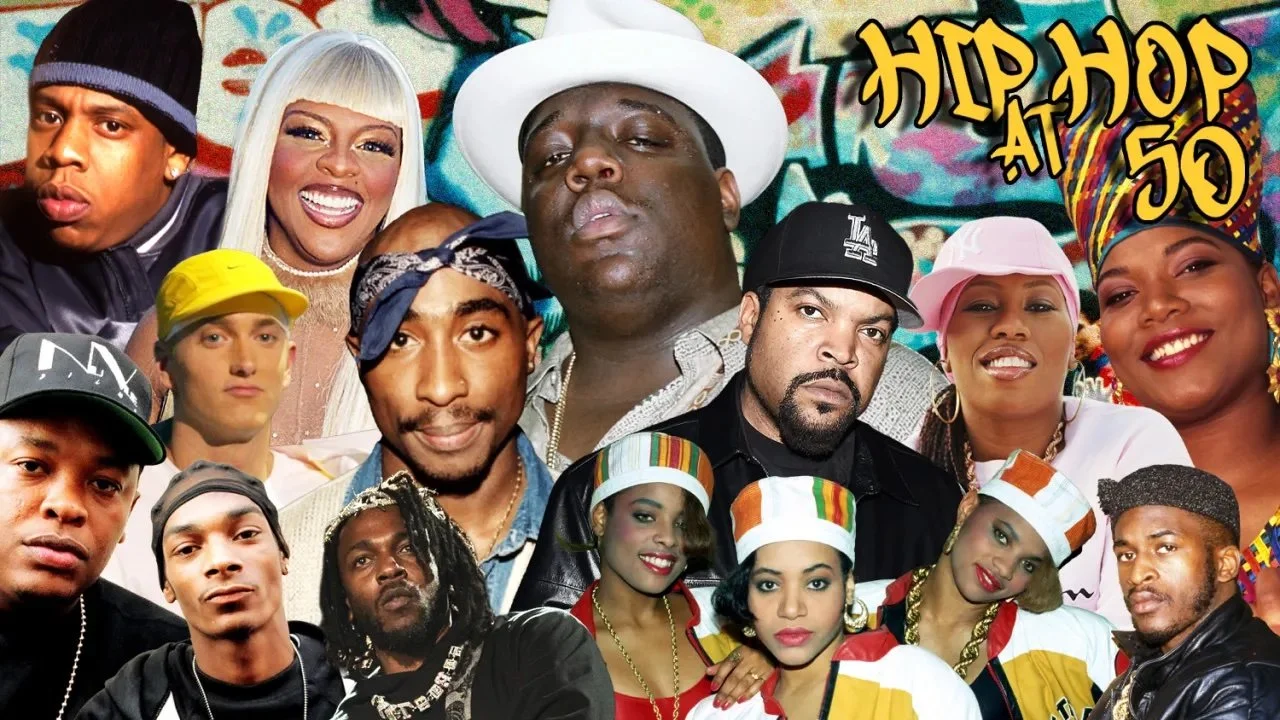
Tyler was pointing to a profound architectural flaw in the global music industry. Hip-hop and R&B have become magnificent, sprawling ecosystems. They are the defining sounds of the modern world, serving as open-source operating systems that anyone, anywhere can download and use. Yet, for the Black artists who created them, these genres have transformed into golden cages. They are boxes designed to hold Black people, even as they open their doors to let the rest of the world inside.
The Luxury of Geography
To understand how restrictive these boxes are, we have to look at how the rest of the world categorizes its music. For most global sounds, genre is directly tied to geography and nationality.
Consider Afrobeats. It is explicitly a Nigerian art form, deeply rooted in the polyrhythms of Lagos, the legacy of Fela Kuti, and the contemporary evolution of West African youth culture. When you listen to Burna Boy or Wizkid, you are listening to a sound that boasts a specific regional passport.
The same applies to the massive pop industries of Asia. K-pop belongs to South Korea, backed by the state’s cultural export strategies and Seoul’s rigorous training academies. J-pop is explicitly Japanese, intertwined with the country’s unique domestic music market and anime culture. C-pop belongs to the Chinese-speaking world. In these instances, the genre tag is a proud declaration of origin. It tells you exactly where the music lives on a map.
But when we turn to Black American music, geography disappears, replaced entirely by race. In the late 1990s and early 2000s, the music industry invented the term "Neo-Soul" to market artists like Erykah Badu, Maxwell, and D’Angelo. To the industry, it was a clever marketing demographic. To the artists, it felt like an immediate restriction.
Neo-soul was trying to mirror what regional genres did by capturing a distinct cultural aesthetic. However, for a culture that does not belong to a single, undisputed geographic home, being set in a sonic box feels less like a celebration of roots and more like pigeonholing.
Black Americans navigate a fractured history of displacement. They do not have a modern, singular West African nation-state to point to on a map as their exclusive cultural anchor. When you take a displaced people and restrict them to a specific genre box based purely on their identity, you are effectively telling them that their imagination is only allowed to occupy a designated plot of corporate real estate.
The One-Way Valve of Genre Placement
The systemic nature of this bias becomes clear when you realize that Black artists are never accidentally placed in any genre other than hip-hop or R&B. The music industry operates a one-way valve. Non-Black artists can enter hip-hop and R&B, receive critical acclaim, and move freely back to pop or rock. But when a Black artist makes a pop, rock, or country record, the industry's filing cabinet jams shut.
The most glaring modern example of this gatekeeping occurred in 2020 with The Weeknd. His album After Hours was an undeniable pop juggernaut. The single "Blinding Lights" went on to become one of the most successful songs in Billboard history, utilizing 1980s new wave synthesizers and Max Martin pop production. There was nothing inherently hip-hop or R&B about the song's sonic DNA. It was pristine, cinematic pop music.
Yet, After Hours received zero Grammy nominations. The rumor mill and subsequent commentary suggested a profound confusion within the voting committees on how to categorize a Black pop star who refused to stay in the R&B lane. By aiming for the general pop fields instead of accepting the R&B consolidation prizes, he was left out entirely.
"The industry operates a one-way valve. Non-Black artists can enter hip-hop and R&B freely, but when a Black artist makes a pop, rock, or country record, the industry's filing cabinet jams shut."
We saw the same script play out when Beyoncé released "Texas Hold 'Em" and her album Cowboy Carter. Despite being a proud daughter of Houston, Texas, and delivering a meticulously researched thesis on the Black origins of country music, she faced immediate resistance.
A country radio station in Oklahoma initially refused to play the track, claiming they were a country station, not an R&B station. The underlying message was clear. It did not matter that the song featured the banjo work of Rhiannon Giddens. It did not matter that the arrangements honored the traditional structures of the genre. The industry looked at the artist’s face and decided the music belonged in a different room.
The Stateless Vessel of Global Voice
There is a beautiful, tragic irony at the heart of this predicament. Hip-hop was arguably the first musical genre created by a group that had no singular modern nationality. It was born in the melting pot of the South Bronx, constructed by African Americans, West Indian immigrants, and Puerto Rican youths who were all surviving the structural neglect of a decaying American city.
Because hip-hop was born out of statelessness and displacement, it carried a unique genetic code. It did not require an expensive conservatory education, a symphony orchestra, or corporate backing. It required a turntable, a microphone, a story, and a rhythm. This lack of a rigid national border is precisely why hip-hop became the ultimate vessel for the voiceless across the globe. It is an art form designed to be colonized by the marginalized.
Look at South Korea in the early 2010s. Before BTS became the clean-cut champions of global stadium pop, they began their journey as a fierce, underground-styled hip-hop group. Their early tracks, like "No More Dream," used the sonic aggression of American boom-bap to protest the suffocating academic expectations placed on Korean youth. They adopted the posture of hip-hop because no other genre allowed for that specific type of societal rebellion.
In South Africa, the late rapper AKA utilized hip-hop to articulate the complexities of the post-apartheid generation. He infused American trap templates with local samples, creating a sonic monument that gave the youth of Johannesburg and Cape Town a way to navigate their new, complicated democracy. Hip-hop gave him a language to speak to power in a way that traditional regional genres could not match.
In the United Kingdom, the brilliant lyricist Dave uses hip-hop and grime to map the cartography of the Black British diaspora. His masterwork track, "Black," is a profound, agonizing exploration of identity, systemic bias, and the historical trauma of the diaspora living in the heart of the old empire.
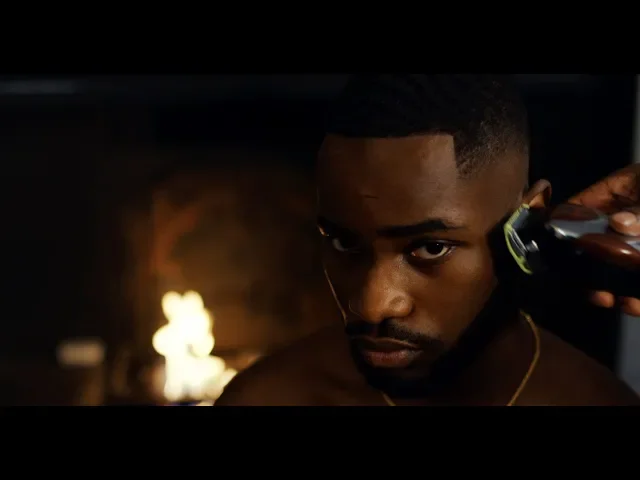
It's the culture of a talent that is home-grown.
Thriving off a soul that they don't own.-Dave, "Black"
Hip-hop successfully traveled to the indigenous communities of New Zealand, the favelas of Brazil, and the working-class neighborhoods of France. It functions everywhere as a passport for the disenfranchised because it was built by a people who had to invent a home out of thin air.
The Dissolving Borders of Sound
We are moving into an era where sounds are becoming rapidly decoupled from geography. The internet, algorithmic playlisting, and platforms like TikTok have accelerated cultural cross-pollination to a dizzying degree.
We are already seeing Indian classical dances and bhangra rhythms seamlessly combining with trap beats on viral videos, creating entirely new subcategories of street art. We see South African Amapiano basslines weaving their way into Toronto hip-hop, London drill, and Parisian electronic music. The traditional boundaries that used to separate a regional sound from a global pop hit are dissolving before our eyes.
Genre / Sound Blend | Primary Cultural Origins | Global Impact Point |
|---|---|---|
Trap-Bhangra Fusion | Northern India / Atlanta, USA | Global Social Media / Dance Culture |
Amapiano-Drill | South Africa / London, UK | International Club Formats |
Reggaeton-Pop | Puerto Rico / Panama | Global Top 40 Radio |
As the world becomes more connected, music will become less and less regionally coded. You will no longer be able to listen to a snare sample or a vocal melody and confidently state the latitude and longitude of its creation. The sonic future belongs to the hybrids.
Saying the Quiet Part Out Loud
Yet, as the music itself breaks free from its historical borders, the institutional infrastructure remains stubborn. If sounds are losing their regional coding, why are Black artists still being categorized by their mirrors rather than their melodies?
This is the central contradiction that the music industry must confront. The current system relies on a double standard. The world is allowed to borrow the clothes, the slang, the cadences, and the rhythms of hip-hop and R&B without ever being trapped by them. A non-Black artist can win a Pop Grammy with a song built entirely on Black American rhythms, while the Black innovator who inspired that sound is told their work is too urban for the general fields.
If the industry continues to file Black people into hip-hop and R&B boxes because of how they look rather than how they sound, it admits a bleak truth. It admits that these categories are not artistic distinctions, but racial redlining.
Change is no longer a polite request being whispered in boardrooms. The quiet part is being shouted out loud by the artists themselves on the world’s biggest stages. It is time for the gatekeepers to open the filing cabinets, tear down the architectural walls of the sonic ghetto, and let music be judged solely by the air it moves, not the skin of the person who breathed it into existence.
Thank you to my brother Rickey P for helping me see this perspective. I never would have asked the questions without you.
Featured Posts